
Top 7 Cars That Feel Premium Under ₹15 Lakh in India (2026 Edition)
Close your eyes for a moment.
Imagine settling into a car on a humid Mumbai evening. The ambient lighting glows in soft blue. A panoramic sunroof stretches above your head, framing the purple-orange sky. You press the ignition. A refined hum fills the cabin. Your fingers brush against soft-touch leatherette. A 10.25-inch screen illuminates with your Spotify playlist. ADAS warnings flash gently on the digital cluster. The ventilated seats begin their quiet work.
You feel rich. You feel important. You feel like you just bought a ₹30 lakh luxury SUV.
Then reality checks in. You paid ₹14.5 lakh.
Welcome to the Indian car market of 2026 — where the line between “premium” and “affordable” has completely dissolved.
The Death of the “Cheap Car” Era
Indian buyers have fundamentally changed.
Just five years ago, a ₹15 lakh budget meant settling. You got a decent car, sure. But “premium”? That word belonged to the ₹25-30 lakh segment. Sunroofs were reserved for Fortuners. ADAS was a European luxury. Ventilated seats? Only in your dreams or in your friend’s uncle’s BMW.
Not anymore.
Today’s Indian car buyer — the 28-year-old tech professional in Pune, the newly promoted manager in Jaipur, the young couple upgrading from a Swift in Kochi — they expect luxury at sensible prices. And car manufacturers have responded with machines that are genuinely breathtaking.
Panoramic sunroofs that flood cabins with golden light. ADAS suites that feel like having a co-pilot. Ambient lighting systems with 64 colors. Digital cockpits that rival aircraft. Connected car tech that starts your AC before you leave the office.
All under ₹15 lakh.
This isn’t marketing hype. This is 2026 India.
The question isn’t whether you can find a premium-feeling car on a budget anymore. The question is which one deserves your hard-earned money.
Let’s dive deep into seven machines that blur the boundary between affordable and aspirational.
1. Hyundai Verna — The Sedan That Refuses to Be Ordinary
A. Design & Road Presence
The Hyundai Verna doesn’t walk into a room. It makes an entrance.
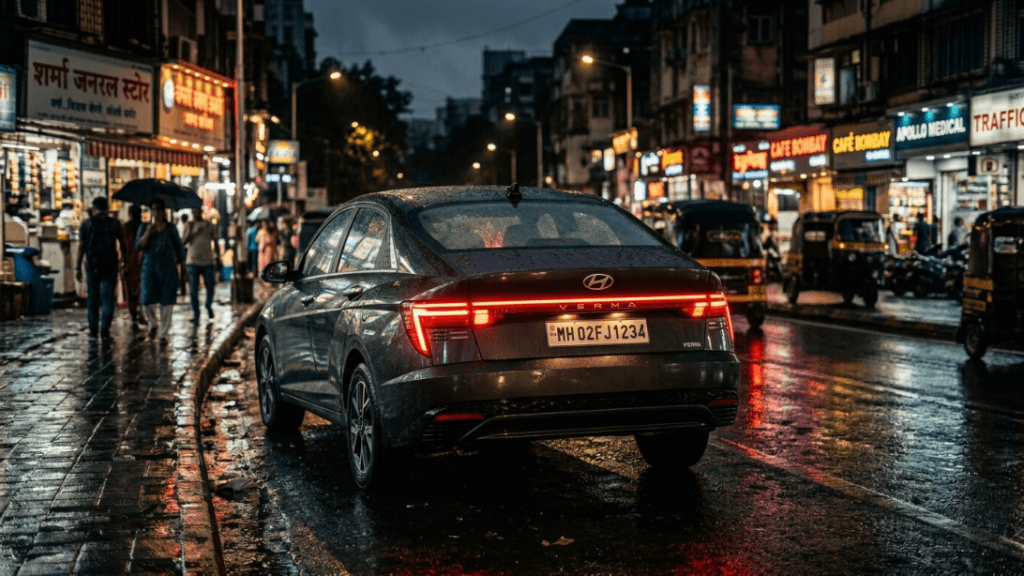
The parametric jewel grille catches sunlight like a thousand tiny mirrors. The sharp, angular LED DRLs slice through the front fascia with surgical precision. From the side, the swooping roofline creates a coupe-like silhouette that makes parked C-segment SUVs look boxy and outdated.
The Verna looks like it belongs in a ₹20 lakh showroom. Period.
The connected tail lamps span the entire rear width, creating a signature light bar that’s immediately recognizable at night. The 16-inch diamond-cut alloys add just the right amount of aggression without looking aftermarket. The overall stance is low, wide, and confident — like a sedan that knows exactly what it’s doing on Indian roads.
In a market obsessed with SUVs, the Verna is a seductive rebellion.
B. Interior & Cabin Experience
Slide inside the Verna, and the outside world becomes irrelevant.
The dashboard stretches wide and clean, dominated by a seamless dual-screen setup that rivals luxury European sedans. Soft-touch materials everywhere your hands naturally rest. The door pads feel expensive. The center console is sculpted with architectural precision.
Then the sunroof clicks open. And suddenly, your ₹14 lakh sedan feels like a private suite on wheels.
The ambient lighting system bathes the cabin in colors that shift with your mood — sunset orange for evening drives, cool blue for highway cruises. The front ventilated seats are a godsend during Indian summers. Your back stays cool while traffic crawls around you in 42-degree heat.
Rear seat comfort deserves special mention. The Verna offers genuinely generous legroom. Three adults can sit comfortably without the middle passenger feeling punished. The rear AC vents keep everyone happy during family trips.
This cabin doesn’t apologize for being under ₹15 lakh. It celebrates it.
C. Features & Technology
The Verna’s feature list reads like a luxury car brochure:
- 10.25-inch touchscreen with wireless Android Auto and Apple CarPlay
- 10.25-inch digital instrument cluster with customizable themes
- Level 2 ADAS including forward collision warning, lane keep assist, and adaptive cruise control
- Bose premium sound system that transforms daily commutes into concert experiences
- Wireless phone charging with cooling function
- 360-degree camera with 3D view
- Blind spot monitoring and rear cross-traffic alert
- Connected car technology with remote start, climate pre-conditioning, and live vehicle tracking
- Heated and ventilated front seats
- Electric parking brake with auto hold
That ADAS suite alone — in a segment where most competitors offer basic airbags — positions the Verna as a genuinely futuristic machine. The adaptive cruise control works beautifully on expressway drives, maintaining distance from vehicles ahead while you enjoy the Bose soundtrack.
D. Engine, Performance & Mileage
Under the hood, the Verna offers two refined petrol options:
1.5L Turbo Petrol (160 PS): This is the engine to buy. The turbo surge is addictive. Overtaking on two-lane highways feels effortless. The 7-speed DCT gearbox shifts smoothly in traffic and aggressively when you want sportiness. 0-100 km/h in under 8 seconds — genuinely quick for the segment.
1.5L Naturally Aspirated Petrol (115 PS): For city-focused buyers who prefer smooth, linear power delivery. Paired with the CVT gearbox, it handles daily commutes with quiet competence. Mileage figures hover around 18-20 km/l in mixed driving conditions.
The turbo variant delivers approximately 16-18 km/l on highways — impressive for a 160 PS sedan.
On Indian roads, the Verna feels planted. The suspension absorbs potholes without crashing. Highway stability at 120 km/h is confidence-inspiring. The steering weighs up naturally at speed.
E. Why It Feels Premium
Here’s the truth the Verna doesn’t advertise loudly enough:
This car competes emotionally with sedans costing ₹20-25 lakh. The moment someone sits in your Verna — sees the dual screens, feels the ventilated seats, hears the Bose system, looks up through the sunroof — they assume you spent significantly more than you did.
The Verna makes you feel like an executive. Not a “budget buyer.” Not someone who “settled.” An executive who made a smart, sophisticated choice.
In a market where everyone drives SUVs, the Verna whispers quiet confidence. It says you understand design. You appreciate engineering. You chose substance over trends.
And honestly? That feeling is worth more than any spec sheet.
Pros:
- Best-in-class ADAS features
- Stunning design with genuine road presence
- Premium cabin that rivals segments above
- Powerful turbo petrol engine
- Bose sound system is exceptional
- Ventilated seats standard in higher variants
Cons:
- Sedan body style less popular in SUV-obsessed market
- Turbo DCT can feel jerky in stop-go traffic
- Rear headroom tight for taller passengers
- Ground clearance adequate but not SUV-level
2. Tata Curvv — The SUV That Looks Like It Escaped from 2030
A. Design & Road Presence
The Tata Curvv doesn’t follow design trends. It sets them.
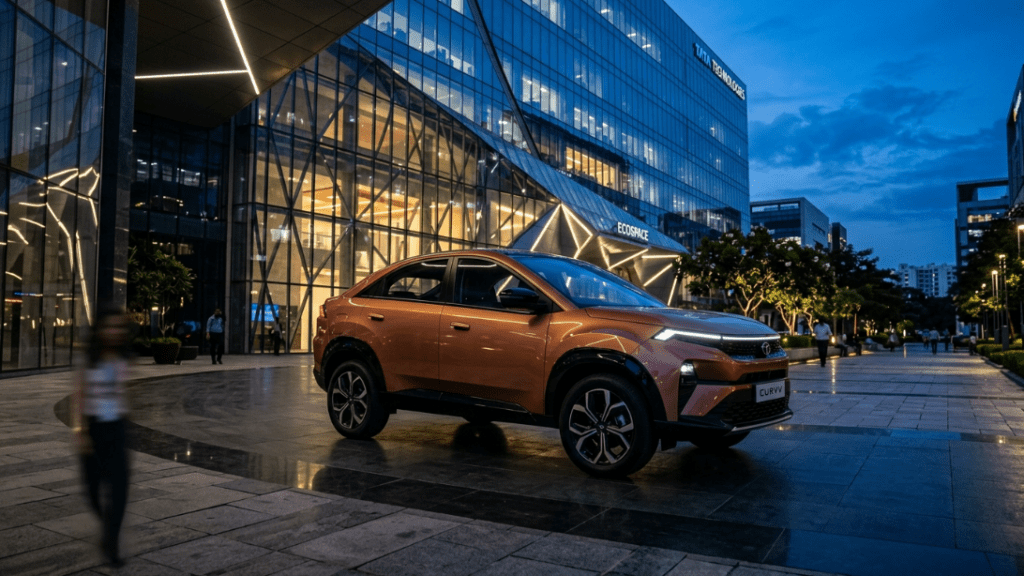
The coupe-SUV silhouette was something Indian buyers had only seen in European luxury SUVs — the BMW X4, the Mercedes GLC Coupe. Tata brought that exact design language to the ₹15 lakh segment. And the result is jaw-dropping.
The sloping roofline flows seamlessly into a muscular rear. The split LED headlamps create an aggressive, futuristic face. The flush door handles pop out when you approach, adding a theatre-like touch. The 18-inch alloys fill the wheel arches perfectly.
Standing next to the Curvv in a parking lot, strangers assume it costs ₹25-30 lakh. The proportions, the stance, the details — everything communicates premium ambition.
This is the car that makes your neighbor’s Creta look suddenly ordinary.
B. Interior & Cabin Experience
Step inside, and Tata’s transformation as a brand becomes undeniable.
The dashboard architecture is clean, modern, and European in execution. A massive 12.3-inch touchscreen dominates the center console — responsive, sharp, and beautifully integrated. The digital instrument cluster is equally impressive, displaying navigation maps, ADAS information, and driving data with cinematic clarity.
The panoramic sunroof is enormous. On evening drives, it transforms the cabin into something magical. The ambient lighting — selectable from a spectrum of colors — creates an atmosphere that genuinely feels luxury-brand special.
Material quality has taken a massive leap forward. The soft-touch dashboard, the leatherette door inserts, the textured switchgear — everything feels considered and intentional. This isn’t Tata trying to be premium. This IS premium.
Rear seat space is generous for the coupe-SUV form factor. The bench is comfortable for two adults on long drives. Three can manage for shorter city trips.
C. Features & Technology
The Curvv is technology-forward in the truest sense:
- 12.3-inch infotainment touchscreen with wireless smartphone connectivity
- 10.25-inch digital driver display with multiple themes
- Level 2 ADAS with adaptive cruise, lane departure warning, and auto emergency braking
- 360-degree surround view camera with front and rear parking sensors
- Wireless phone charging pad
- JBL premium sound system delivering concert-quality audio
- Connected car suite with remote commands, geo-fencing, and OTA updates
- Electronic parking brake with hill hold
- Automatic climate control with rear AC vents
- Air purifier with AQI display
The ADAS implementation is particularly impressive for Indian conditions. The adaptive cruise control handles highway traffic smoothly, while the lane keep assist provides gentle corrections without being intrusive.
D. Engine, Performance & Mileage
The Curvv offers multiple powertrain options for Indian buyers:
1.2L Turbo Petrol (125 PS): The primary engine choice. Refined, eager, and perfectly suited for Indian driving conditions. The dual-clutch automatic gearbox shifts seamlessly. City driving feels effortless, while highway overtakes require minimal planning.
1.5L Diesel (118 PS): For high-mileage users and highway warriors. The diesel torque makes relaxed cruising a pleasure. Expect 20-22 km/l on highways — genuinely efficient for a stylish SUV.
Electric Variant: The Curvv EV offers 400+ km range with rapid charging capability — a compelling option for EV-curious buyers.
The ride quality deserves praise. The suspension is tuned for Indian roads — soft enough to absorb potholes, firm enough to feel planted at speed. Highway stability is excellent. The steering offers good feedback at speed while remaining light for parking maneuvers.
E. Why It Feels Premium
The Tata Curvv creates an emotional experience that’s genuinely rare at this price point.
It’s the design. That coupe-SUV silhouette makes you feel special every single time you walk towards it in a parking lot. It’s the kind of car that makes you slow down and look back after you’ve parked it.
It’s the technology. The massive screens, the ADAS suite, the connected features — this feels like a car from a segment above. Friends and family who sit inside assume you paid ₹20+ lakh.
It’s the confidence. Driving the Curvv through city streets, you notice people noticing you. The design draws attention without being loud. It’s sophisticated. It’s modern. It’s exactly what young Indian professionals want.
Pros:
- Stunning coupe-SUV design that stands out completely
- Premium cabin quality with excellent materials
- Comprehensive ADAS and tech features
- Multiple powertrain options including electric
- Tata’s improving reliability reputation
- Impressive highway stability and ride comfort
Cons:
- Rear headroom slightly compromised by coupe roofline
- Turbo petrol can feel strained with heavy loads on steep inclines
- Service network still catching up with Hyundai/Maruti in smaller cities
- Boot space slightly less than boxier competitors
3. Kia Seltos — The Premium Compact SUV Benchmark
A. Design & Road Presence
If there’s one car that defined “premium SUV under ₹15 lakh” in India, it’s the Kia Seltos.
The 2026 Seltos refined an already winning formula. The tiger nose grille evolved into something bolder and more sculptural. The connected LED tail lamps span the entire rear width with a crystalline texture that looks spectacular at night. The dual-tone color options — especially the Aurora Black Pearl with glacier white roof — give it a presence that makes parking lots feel like showrooms.
The Seltos has the kind of road presence that stops conversations. Park it next to SUVs from segments above, and it holds its own without breaking a sweat. The proportions are perfect. The stance is athletic but not aggressive. The details reward closer inspection.
This is an SUV that Indian buyers fell in love with — and the 2026 version deepens that relationship.
B. Interior & Cabin Experience
The Seltos cabin has always been its secret weapon, and 2026 elevates it further.
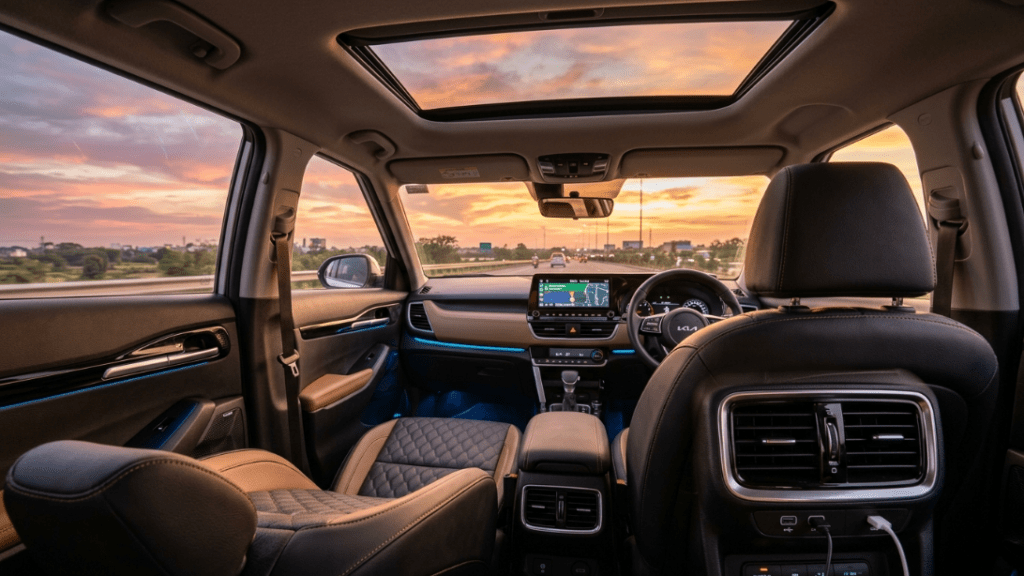
The dashboard is a masterclass in layered design. Multiple materials — soft-touch surfaces, piano black accents, brushed aluminum trim — create visual depth that rivals German luxury SUVs. The 10.25-inch touchscreen sits perfectly positioned in the driver’s sightline.
The panoramic sunroof transforms the cabin atmosphere completely. During early morning drives through hill stations, sunlight pours in, making the premium interior glow. The dual-zone climate control ensures driver and passenger preferences don’t create domestic conflict.
Ventilated front seats are a genuine game-changer in Indian summers. After parking in the sun for hours, switching on the ventilation creates instant relief that makes you wonder how you ever survived without it.
Ambient lighting with multiple color options adds evening sophistication. The cabin feels intimate and special during night drives — exactly the kind of premium touch that justifies the price.
Rear seat comfort is genuinely excellent. The bench offers good thigh support, adequate legroom, and proper recline angles. For Indian families of four, this is a genuinely comfortable long-distance companion.
C. Features & Technology
The Seltos feature list makes competitors nervous:
- 10.25-inch HD touchscreen with UVO connected car technology
- 10.25-inch digital instrument cluster with drive mode-specific displays
- Level 1 ADAS in top variants with forward collision avoidance
- 360-degree camera with blind view monitor
- Bose premium 8-speaker sound system
- Wireless charging with cooling pad
- Air purirus with AQI display
- Remote engine start with climate pre-conditioning
- Smart key with walk-away auto lock
- Electric parking brake with auto hold
- Rear sunshade curtains for passenger comfort
The UVO connected car suite is among the best in the segment. Remote start on cold mornings, live location tracking, stolen vehicle immobilization, driving behavior analysis — it’s comprehensive and genuinely useful, not just marketing checkboxes.
D. Engine, Performance & Mileage
Kia offers the Seltos with three proven powertrains:
1.5L Turbo Petrol (160 PS) with DCT: The enthusiast’s choice. This engine transforms the Seltos from family SUV to genuinely fun machine. The DCT gearbox shifts quickly, and the power delivery is smooth yet urgent. Highway overtakes happen with authority. Mileage: 16-18 km/l on highways.
1.5L Naturally Aspirated Petrol (115 PS) with CVT: The city specialist. Smooth, refined, and efficient. Perfect for daily commutes with occasional highway runs. Mileage: 17-19 km/l in mixed conditions.
1.5L Diesel (115 PS) with 6AT: The highway king. Diesel torque makes the Seltos effortless on long drives. The 6-speed torque converter is smooth and intuitive. Expect 20-22 km/l on highways — outstanding for an SUV of this size and capability.
The ride and handling balance is expertly tuned for Indian roads. Soft enough to absorb our legendary potholes, composed enough to feel confident through highway sweeping curves. The Seltos feels mature and polished in ways that justify its premium positioning.
E. Why It Feels Premium
The Kia Seltos achieved something remarkable: it made “premium SUV under ₹15 lakh” a believable concept in India.
It’s the attention to detail. Every switch, every surface, every material choice in the Seltos feels deliberate. The door close has a satisfying thud. The sunroof shade operates silently. The AC controls have dampened movement. These micro-experiences accumulate into something genuinely luxurious.
It’s the brand positioning. Kia entered India as a premium alternative to mainstream brands, and the Seltos embodies that philosophy completely. You don’t feel like you bought a “budget SUV.” You feel like you made a sophisticated lifestyle choice.
When someone sits in your Seltos for the first time, they invariably ask: “How much did this cost?” And when you tell them under ₹15 lakh, their surprise is the highest compliment this car can receive.
Pros:
- Benchmark cabin quality for the segment
- Excellent powertrain options including diesel automatic
- Premium brand perception in Indian market
- Comprehensive connected car features
- Strong resale value
- Outstanding ride comfort for Indian roads
Cons:
- Waiting periods can be frustrating
- Top variants push above ₹15 lakh with accessories
- ADAS suite slightly behind Hyundai/Kia flagship models
- Piano black surfaces attract fingerprints aggressively
4. Honda Elevate — The Sleeper Hit That Whispers Class
A. Design & Road Presence
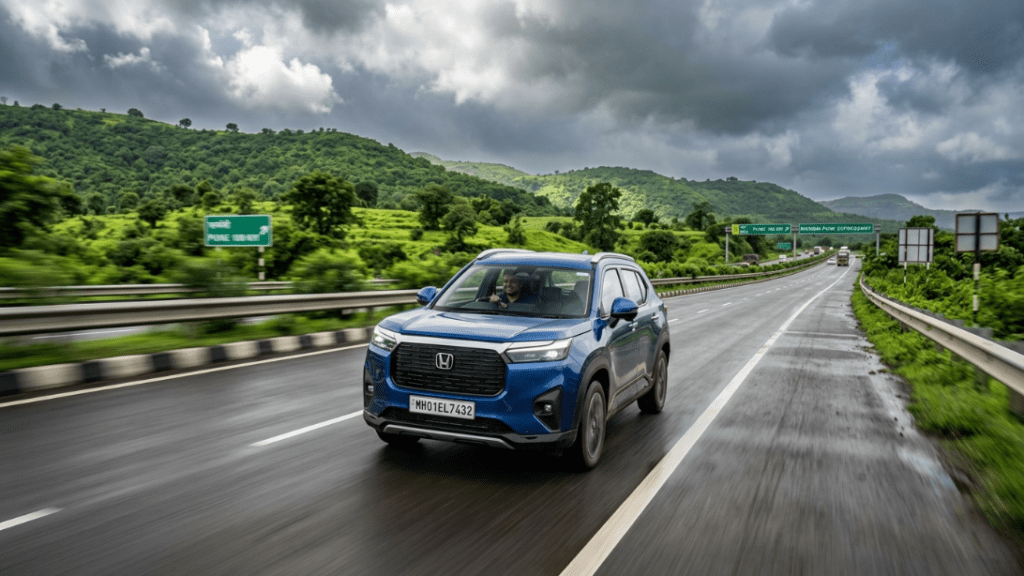
The Honda Elevate is the quiet achiever of this list.
While competitors scream for attention with aggressive grilles and sharp angles, the Elevate takes a different approach. Its design is clean, confident, and mature. The broad chrome grille flows into slim LED headlamps with an understated elegance. The body lines are clean and purposeful. The wheel arches have subtle muscular definition.
This is not a car that tries to impress everyone. It’s a car that impresses the right people.
The 17-inch alloys have a sophisticated multi-spoke design. The rear is clean and wide, with connected tail lamps that are elegant rather than flashy. In a parking lot full of aggressive SUVs, the Elevate stands out by being restrained.
Think of it as the person at the party who doesn’t need to be the loudest to be the most interesting.
B. Interior & Cabin Experience
Honda has always understood cabin design, and the Elevate proves this beautifully.
The dashboard layout is clean, functional, and premium. The 8-inch touchscreen is positioned perfectly — high enough for easy visibility, integrated smoothly into the dashboard architecture. Material quality is genuinely impressive. Soft-touch surfaces on the dashboard and door panels create an environment that feels more expensive than the price suggests.
The highlight is rear seat comfort. Honda engineers prioritized passenger space, and it shows. The rear bench is among the most comfortable in the segment. Legroom is generous. Seat cushioning is perfectly judged — not too soft for long drives, not too firm for city commutes.
Families upgrading from hatchbacks will be genuinely impressed. The sense of space, the quality of materials, the attention to noise insulation — everything communicates a step up in life.
The panoramic sunroof (available in top variants) adds that Instagram-worthy sky view. Combined with the quiet cabin and comfortable seats, the Elevate creates a genuinely relaxing environment for Indian families.
C. Features & Technology
The Elevate’s feature list balances technology with practicality:
- 8-inch HD touchscreen with wireless Android Auto and Apple CarPlay
- 7-inch TFT digital instrument cluster
- Honda Sensing ADAS suite — the most comprehensive in its class
- Collision mitigation braking system
- Road departure mitigation
- Adaptive cruise control
- Lane keeping assist system
- Auto high beam
- Wireless phone charging
- Automatic climate control with rear vents
- Connected car features with remote operations
- 8-speaker audio system
- Rear parking camera with guidelines
Honda Sensing is the star here. This ADAS implementation feels more refined and calibrated than competitors. The adaptive cruise control operates smoothly. The lane keep assist provides gentle, natural corrections. The collision mitigation system inspires genuine confidence.
Honda’s approach to technology is different — less flashy, more functional. Every feature exists to make your drive safer and more comfortable, not just to fill spec sheets.
D. Engine, Performance & Mileage
The Elevate uses Honda’s proven 1.5L i-VTEC petrol engine:
1.5L Petrol (121 PS): This naturally aspirated engine is a masterclass in refinement. The power delivery is linear and predictable. The CVT gearbox — Honda’s specialty — operates with unusual smoothness. In city traffic, the combination is effortless. On highways, it cruises quietly and confidently.
The manual transmission option adds driver engagement for enthusiasts. The clutch action is light, the gearshifts are precise, and the engine responds eagerly to throttle inputs.
Mileage figures are genuinely impressive:
- City: 14-16 km/l
- Highway: 18-21 km/l
- Mixed: 16-18 km/l
The ride quality is tuned for Indian conditions. The suspension absorbs imperfections with Honda’s characteristic composure. There’s a sophistication to how the Elevate handles bad roads — it doesn’t crash or bounce, it simply absorbs and moves on. Highway stability is excellent, with minimal body roll through corners.
E. Why It Feels Premium
The Honda Elevate’s premium feeling comes from a place most competitors can’t replicate: engineering integrity.
There’s a Honda-ness to this car — a sense that every component was designed by people who genuinely care about quality. The door shut sounds solid. The switchgear operates with precision. The cabin remains eerily quiet at highway speeds.
It’s not the flashiest car on this list. It doesn’t have the biggest screen or the most aggressive design. But it has something more valuable: the feeling of being built right.
For Indian families upgrading from a hatchback, the Elevate represents a genuine elevation in life quality. The space, the comfort, the quiet confidence — it feels like you’ve arrived at a new chapter.
And the Honda badge carries trust. In India, Honda means reliability, quality, and engineering excellence. That trust translates into a premium feeling that no spec sheet can capture.
Pros:
- Best-in-class Honda Sensing ADAS suite
- Exceptional rear seat comfort for the segment
- Outstanding cabin refinement and noise insulation
- Honda reliability and strong resale value
- Smooth CVT gearbox optimized for Indian traffic
- Impressive real-world fuel efficiency
Cons:
- No diesel or turbo petrol option
- Infotainment screen smaller than competitors
- No panoramic sunroof in lower variants
- Design may feel too conservative for younger buyers
5. Mahindra XUV 3XO — The Aggressive Underdog
A. Design & Road Presence
The Mahindra XUV 3XO arrived like a thunderstorm at a garden party.
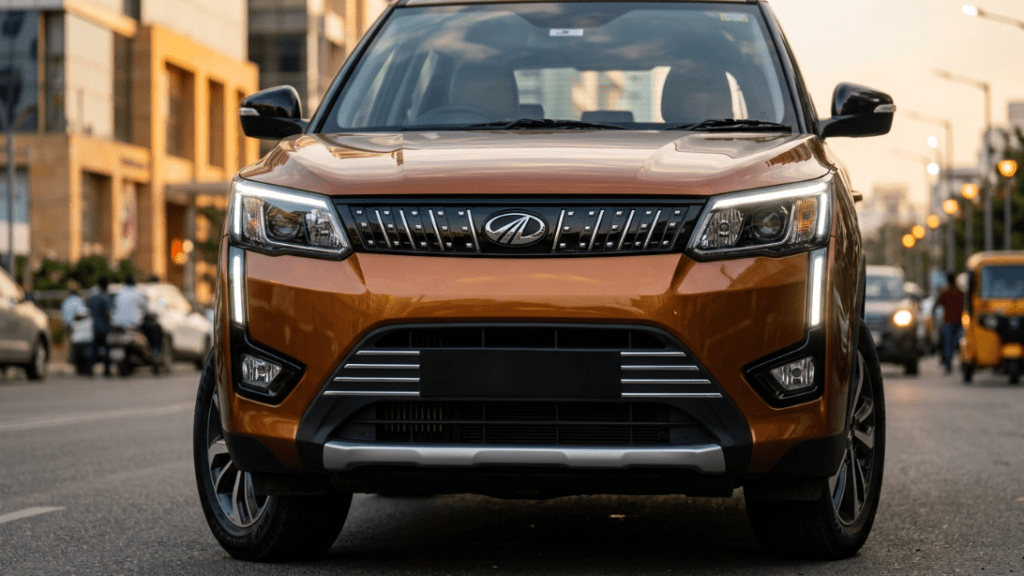
Aggressive. Unapologetic. Dramatic. The new Mahindra design language — all sharp angles, muscular surfaces, and bold lighting signatures — gives the XUV 3XO a presence that makes larger, more expensive SUVs nervous.
The front fascia is dominated by the new Mahindra grille with chrome-studded detailing. The C-shaped LED DRLs create a distinctive light signature that’s instantly recognizable from a distance. The headlamps cut into the bumper with geometric precision. The overall face is intimidating and commanding.
The side profile reveals muscular wheel arches housing stylish alloy wheels. The roofline tapers subtly towards the rear, giving the compact SUV a dynamic stance. The connected tail lamps at the rear complete the modern, aggressive aesthetic.
In a segment dominated by Korean and Japanese designs, the XUV 3XO represents Indian automotive design at its boldest. And Indian buyers — increasingly proud of homegrown products — respond to this confidence with genuine enthusiasm.
B. Interior & Cabin Experience
Mahindra’s interior transformation has been nothing short of revolutionary, and the XUV 3XO showcases this beautifully.
The dual-screen layout dominates the dashboard — two 10.25-inch displays seamlessly integrated behind a single glass panel. The effect is stunning and immediately premium. Navigation maps, media controls, and driving data all display with cinematic clarity.
Material quality has reached levels previously unthinkable for Mahindra. Soft-touch dashboard surfaces, textured door panels, and well-damped controls create an environment that genuinely impresses. Close your eyes inside the cabin, and you’d struggle to identify the brand. It feels European. Sophisticated. Expensive.
The panoramic sunroof in the top variant is generously sized, flooding the cabin with natural light. Ambient lighting adds evening sophistication with selectable color options.
Front seats are supportive and comfortable for long drives. Ventilated seats in the XUV300 variant provide genuine relief during Indian summers. Rear seat space is adequate for two adults, though three can manage for shorter city trips.
C. Features & Technology
The XUV 3XO brings features that would embarrass cars costing twice as much:
- Dual 10.25-inch screens — infotainment and digital cluster
- Level 2 ADAS with comprehensive suite
- 360-degree camera with 3D view
- Wireless Android Auto and Apple CarPlay
- Harman Kardon premium sound system
- Wireless phone charging
- Panoramic sunroof
- Ventilated front seats
- Dual-zone automatic climate control
- Electronic parking brake with auto hold
- Connected car technology with 70+ features
- Auto-dimming IRVM
- Rain-sensing wipers
- Cruise control
That ADAS suite is comprehensive: forward collision warning, autonomous emergency braking, lane departure warning, lane keep assist, adaptive cruise control, traffic sign recognition, and high beam assist. In a sub-compact SUV, this level of safety technology is remarkable.
D. Engine, Performance & Mileage
Mahindra offers two turbocharged petrol engines:
1.2L Turbo Petrol (110 PS): The primary engine choice. Turbo torque makes this engine feel larger than its displacement suggests. City driving is effortless, with strong low-end pull that makes traffic gaps easy to exploit. The 6-speed automatic gearbox shifts smoothly and intuitively.
1.2L Turbo Petrol (130 PS) with TGDi: The performance option. This engine delivers genuine driving excitement. The direct injection technology provides sharper throttle response and stronger mid-range pull. Paired with the 6-speed torque converter, it transforms the XUV 3XO into a genuinely fun compact SUV.
Mileage:
- 110 PS variant: 16-18 km/l (city/highway)
- 130 PS variant: 15-17 km/l (city/highway)
The ride and handling balance favors comfort. The suspension absorbs Indian road imperfections with composure. The steering is light for city maneuverability but weighs up adequately at highway speeds.
E. Why It Feels Premium
The XUV 3XO’s premium appeal is multifaceted.
It’s the technology. Those dual screens, the comprehensive ADAS, the Harman Kardon sound system — this feature list belongs in a ₹20 lakh SUV. Having it all in a sub-compact package creates an overwhelming sense of value.
It’s the design boldness. The XUV 3XO makes a statement. Driving it through Indian streets, you feel noticed. The aggressive styling communicates confidence and ambition — qualities that resonate deeply with young Indian professionals.
It’s the pride of Indian engineering. For buyers who value “Make in India,” the XUV 3XO represents Mahindra’s remarkable transformation from rugged utility vehicles to sophisticated, premium SUVs. This is Indian automotive engineering competing with the world’s best — and winning.
Pros:
- Most feature-rich SUV in the sub-compact segment
- Bold, aggressive design with strong road presence
- Comprehensive Level 2 ADAS suite
- Powerful turbo petrol engines
- Harman Kardon sound system is outstanding
- Indian brand pride with global quality
Cons:
- Rear seat space adequate but not class-leading
- Ride can feel slightly firm over sharp bumps
- Boot space limited for family highway trips
- Diesel option not available (for diesel loyalists)
6. Skoda Slavia — The European Gentleman’s Sedan
A. Design & Road Presence
The Skoda Slavia carries European DNA in every millimeter of its design.
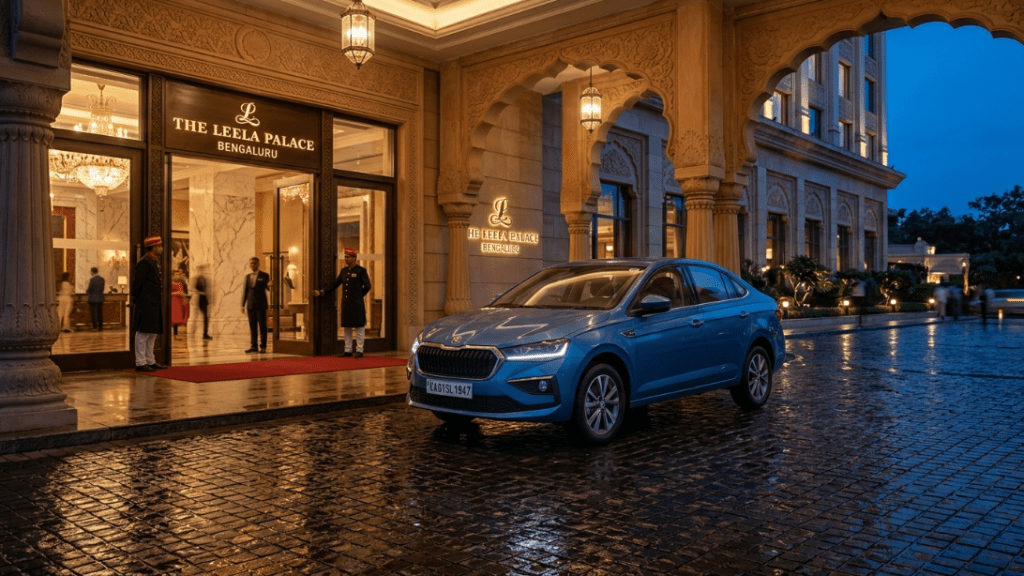
Where Indian-market sedans often look busy and over-styled, the Slavia embraces clean, confident European aesthetics. The signature Skoda butterfly grille sits proudly between crystalline LED headlamps. The body surfaces are clean and sculptural — no unnecessary lines, no gimmicky details.
The side profile reveals a properly proportioned sedan with a long wheelbase and short overhangs. The 16-inch alloy wheels have an elegant, understated design. The overall stance communicates maturity and sophistication.
The rear is clean and purposeful. Split LED tail lamps with Skoda’s crystalline design language add premium touches. The subtle boot lip spoiler provides a sporty accent without being juvenile.
On Indian roads dominated by SUVs, the Slavia makes a compelling case for the sedan. It says you understand European design philosophy. You value elegance over aggression. You chose sophistication, and you chose it deliberately.
B. Interior & Cabin Experience
Inside the Slavia, European minimalism meets Indian expectations for premiumness.
The dashboard design is clean, layered, and genuinely upscale. Soft-touch materials dominate the upper dashboard. The center console features a logical, driver-focused layout. The 10-inch touchscreen floats elegantly above the climate controls, positioned for easy access without visual distraction.
Material quality is exceptional for the price. The leatherette-wrapped steering wheel feels substantial. The door panels feature soft-touch inserts. The overall tactile experience is several notches above what you’d expect at this price point.
The panoramic sunroof (available in higher variants) adds airiness to an already spacious cabin. Ambient lighting provides subtle evening sophistication. The climate control system maintains consistent temperatures even during extreme Indian summers.
But the Slavia’s interior masterstroke is rear seat space. Built on the MQB-A0-IN platform with an extended wheelbase, the rear legroom is genuinely generous. Three adults can sit comfortably on extended drives. The seat cushioning is perfectly judged — supportive without being firm, comfortable without being soft.
For Indian families who prioritize passenger comfort, the Slavia’s rear seat is a revelation.
C. Features & Technology
The Slavia’s technology suite balances sophistication with practicality:
- 10-inch touchscreen infotainment with wireless smartphone connectivity
- 8-inch digital instrument cluster
- 6 airbags as standard across variants
- ESC, ABS, EBD as standard safety equipment
- Hill hold control
- Wireless phone charging
- Automatic climate control with rear vents
- Cruise control
- Auto headlamps and wipers
- Cooled glovebox
- Rear parking camera with sensors
- Electric sunroof
- Connected car features via MySkoda app
The safety credentials deserve emphasis. Built on VW Group’s MQB platform, the Slavia is structurally one of the safest sedans in India. The 5-star GNCAP rating isn’t just a number — it represents genuine engineering commitment to occupant protection.
Standard 6 airbags across all variants is a statement of intent. Skoda prioritizes safety even in the base model — a philosophy that deserves recognition in a market where some competitors still offer 2 airbags in top variants.
D. Engine, Performance & Mileage
Skoda offers two refined TSI turbo petrol engines:
1.0L TSI (115 PS): Don’t let the small displacement fool you. This turbocharged three-cylinder engine punches well above its weight. The 6-speed manual gearbox offers satisfying shift action and well-chosen ratios. The 6-speed torque converter automatic is smooth and responsive for city driving.
1.5L TSI (150 PS): The enthusiast’s engine. This four-cylinder turbo is one of the best engines under ₹20 lakh in India. Smooth, powerful, refined — it transforms the Slavia into a genuinely quick sedan. The 7-speed DSG gearbox shifts with telepathic speed. 0-100 km/h in approximately 8.5 seconds — proper performance sedan territory.
Active Cylinder Technology (ACT) in the 1.5L engine deactivates two cylinders during light load cruising, improving efficiency significantly.
Mileage figures:
- 1.0L TSI: 18-20 km/l (highway)
- 1.5L TSI: 17-19 km/l (highway with ACT)
The driving experience is distinctly European. The steering is precise and communicative. The chassis is composed and confidence-inspiring. Body roll is minimal. High-speed stability is excellent. The Slavia feels like it belongs on the Autobahn, not just Indian highways.
E. Why It Feels Premium
The Skoda Slavia’s premiumness comes from its European character — something Indian buyers increasingly crave.
It’s the way it drives. The steering precision, the chassis composure, the engine refinement — these are qualities typically found in cars costing ₹20-25 lakh. The Slavia delivers them at a fraction of the cost.
It’s the build quality. The door shut sounds solid and vault-like. The panel gaps are tight and consistent. Everything feels engineered, not just assembled. There’s a substance to the Slavia that sets it apart from competitors.
It’s the exclusivity. In a sea of Korean and Japanese SUVs, the Slavia stands out as something different. Something European. Something chosen by someone who values driving pleasure and design sophistication over trends.
For young professionals who appreciate engineering and design, the Slavia is quietly the most premium-feeling car on this list. It doesn’t scream. It doesn’t show off. It simply delivers excellence that rewards those who recognize it.
Pros:
- Best driving dynamics in the segment
- European build quality and safety
- Generous rear seat space
- Standard 6 airbags across all variants
- Powerful, refined TSI engines
- 5-star GNCAP safety rating
Cons:
- Skoda service network still smaller than Maruti/Hyundai
- Diesel option not available
- Feature list slightly less flashy than Korean competitors
- After-sales experience can vary between dealerships
7. Maruti Suzuki Grand Vitara — The Smart Family Choice
A. Design & Road Presence
The Grand Vitara marks a new chapter for Maruti Suzuki — and it’s a compelling one.
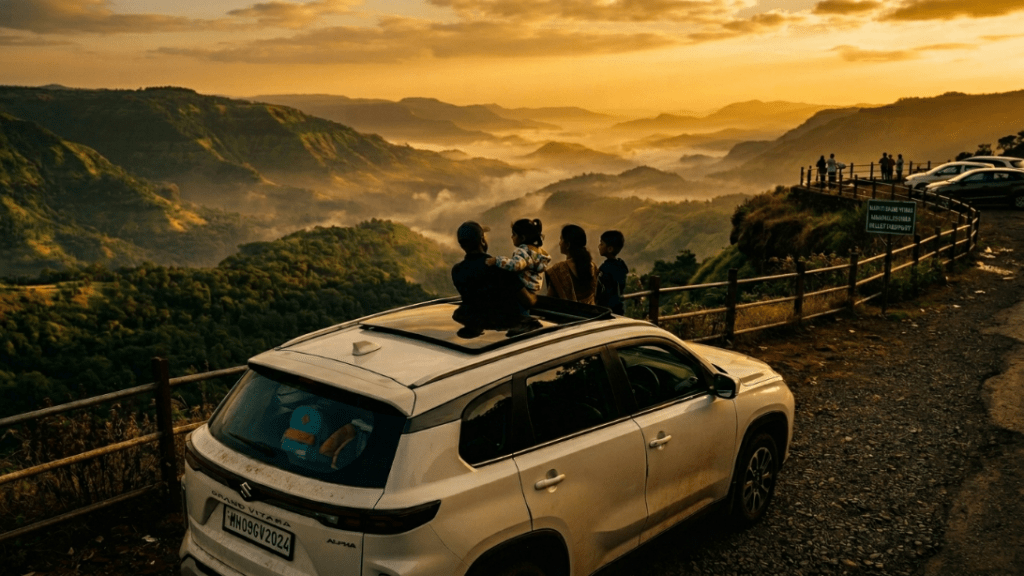
After decades of being associated with practical, fuel-efficient hatchbacks, Maruti delivered a genuinely premium SUV that commands respect on Indian roads. The design language is mature and sophisticated. The bold front grille with chrome detailing, the split LED headlamps, and the muscular body cladding create a proper SUV stance.
The Grand Vitara looks substantial. Parked alongside competitors, it holds its own with confident proportions and clean surfacing. The 17-inch alloys in top variants add visual weight. The dual-tone roof option provides a modern touch that younger buyers appreciate.
It’s not the most dramatic design on this list. But it’s handsome, mature, and has the kind of presence that ages well. Five years from now, the Grand Vitara will still look current — which is more than some aggressively styled competitors can claim.
B. Interior & Cabin Experience
Step inside the Grand Vitara, and Maruti’s premium ambitions become crystal clear.
The dashboard design is clean and modern, dominated by a large floating touchscreen. Material quality has improved dramatically from Maruti’s traditional standards. Soft-touch surfaces, well-grained plastics, and thoughtful detailing create a cabin that genuinely surprises.
The highlight feature is the panoramic sunroof — one of the largest in the segment. On evening drives, it transforms the cabin into something magical. Families love it. Kids love it. Instagram loves it.
The head-up display in top variants projects speed and navigation information onto the windshield — a feature typically found in luxury cars costing ₹30+ lakh. Combined with the wireless charging pad and connected car technology, the Grand Vitara cabin feels surprisingly tech-forward for a Maruti product.
Rear seat comfort is genuinely impressive. The bench offers good thigh support and adequate legroom for three adults. The rear AC vents ensure passenger comfort during Indian summers. For family buyers upgrading from a Baleno or Swift, the sense of space and quality is genuinely uplifting.
C. Features & Technology
The Grand Vitara bridges the gap between value and technology:
- 9-inch HD touchscreen with wireless Android Auto and Apple CarPlay
- Head-up display (segment first in many markets)
- 360-degree camera with parking assist
- Wireless phone charging
- Panoramic sunroof
- Connected car technology via Suzuki Connect
- Automatic climate control with rear vents
- Cruise control
- 6 airbags in top variants
- ESP and hill hold control
- Auto LED headlamps with follow-me-home function
- Ventilated front seats (select variants)
The Suzuki Connect connected car platform offers remote functions including engine start, climate control, vehicle tracking, and service reminders. It’s not the most advanced system in the segment, but it’s reliable and functional — which, for Maruti buyers, matters more than flashy features.
D. Engine, Performance & Mileage
The Grand Vitara’s powertrain options are where it truly shines:
1.5L Strong Hybrid (115 PS combined): This is the Grand Vitara’s ace card. The Toyota-sourced hybrid system delivers extraordinary fuel efficiency — 25-28 km/l in city driving conditions. Yes, you read that correctly. In an SUV. The electric motor assists during city driving, the petrol engine takes over at highway speeds, and the transition between them is nearly seamless.
1.5L Mild Hybrid Petrol (103 PS): The conventional option. Smooth, refined, and fuel-efficient. The mild hybrid system provides torque assist during acceleration and enables auto start-stop. Mileage: 18-21 km/l in mixed driving.
Both engines can be paired with either a 5-speed manual or 6-speed automatic gearbox. The automatic is smooth and well-calibrated for Indian traffic conditions.
The strong hybrid variant fundamentally changes the ownership equation. Monthly fuel costs can drop below ₹3,000 for city commuters — figures that make petrol-only competitors look wasteful.
Ride quality is tuned for comfort. The suspension absorbs Indian road imperfections with composure. Highway stability is good for the segment, with the hybrid system providing smooth, quiet cruising.
E. Why It Feels Premium
The Grand Vitara’s premium appeal is unique on this list because it’s rooted in intelligence rather than flashiness.
It’s the hybrid technology. Driving an SUV that delivers 25+ km/l makes you feel like a genius. Every fuel station you pass, every month you save ₹5,000-8,000 on fuel, the Grand Vitara reinforces that you made a brilliant decision.
It’s the Maruti ecosystem. The service network — the largest in India — ensures help is always available. Spare parts are affordable. Resale value is guaranteed. That peace of mind has a premium feeling all its own.
It’s the head-up display and panoramic sunroof. Two features that create daily “wow” moments. Looking through that sunroof during monsoon drives, seeing speed data projected on your windshield at night — these experiences create genuine luxury moments.
For Indian families who think long-term — who calculate total ownership costs, who value reliability over raw power, who want premium without risk — the Grand Vitara is the smartest premium choice under ₹15 lakh.
Pros:
- Exceptional hybrid fuel efficiency (25-28 km/l city)
- Maruti’s unmatched service network and resale value
- Head-up display — segment first
- Panoramic sunroof is genuinely impressive
- Toyota hybrid technology reliability
- Strong family car credentials
Cons:
- Not the most exciting design on the list
- Hybrid variant pricing pushes toward ₹15 lakh limit
- No diesel option
- Infotainment not as polished as Korean competitors
- Mild hybrid variant feels less special
The Ultimate Comparison: All 7 Premium Machines Head-to-Head
| Parameter | Hyundai Verna | Tata Curvv | Kia Seltos | Honda Elevate | XUV 3XO | Skoda Slavia | Grand Vitara |
|---|---|---|---|---|---|---|---|
| Price Range | ₹11-16L | ₹10-16L | ₹11-16L | ₹11-16L | ₹8-15L | ₹11-16L | ₹11-16L |
| Body Type | Sedan | Coupe-SUV | SUV | SUV | Sub-compact SUV | Sedan | SUV |
| Best Engine | 1.5L Turbo | 1.2L Turbo | 1.5L Turbo | 1.5L i-VTEC | 1.2L TGDi | 1.5L TSI | 1.5L Hybrid |
| Max Power | 160 PS | 125 PS | 160 PS | 121 PS | 130 PS | 150 PS | 115 PS (hybrid) |
| Top Mileage | 20 km/l | 22 km/l | 22 km/l | 21 km/l | 18 km/l | 20 km/l | 28 km/l |
| Best Feature | Bose + ADAS | Coupe design | Cabin quality | Honda Sensing | Dual screens | Driving dynamics | Hybrid efficiency |
| Safety | 6 airbags, ADAS | 6 airbags, ADAS | 6 airbags | 6 airbags, ADAS | 6 airbags, ADAS | 6 airbags, 5-star | 6 airbags |
| Premium Feel Score | 9.2/10 | 9.0/10 | 9.0/10 | 8.5/10 | 8.8/10 | 9.0/10 | 8.3/10 |
| Best For | Young professionals | Design lovers | Families | Refined buyers | Tech enthusiasts | Driving purists | Smart families |
Which One Should YOU Buy? The Wheelinity Decision Guide
Every car on this list is genuinely excellent. But excellence means different things to different buyers. Here’s our targeted recommendation:
🏆 Best for Families
Winner: Kia Seltos / Grand Vitara
The Seltos offers the most complete family SUV package — space, comfort, features, and resale value. The Grand Vitara wins if fuel efficiency is your family’s priority.
🎯 Best for Enthusiasts
Winner: Skoda Slavia 1.5 TSI
No contest. The driving dynamics, engine performance, and chassis composure make this the enthusiast’s clear choice. It genuinely drives like a car from a segment above.
🏙️ Best for City Driving
Winner: Grand Vitara Hybrid
25-28 km/l in city traffic. Comfortable ride. Light steering. Easy dimensions. The hybrid system shines brightest in urban conditions, saving you thousands monthly.
💺 Best Cabin Experience
Winner: Hyundai Verna
Dual screens, Bose sound system, ambient lighting, ventilated seats, and that panoramic sunroof create an interior experience that rivals cars costing ₹20+ lakh.
⛽ Best Mileage
Winner: Grand Vitara Hybrid
No other car on this list comes close to 28 km/l in city driving. For budget-conscious families, the fuel savings over 5 years can amount to ₹3-4 lakhs.
✨ Most Luxurious Feel
Winner: Tata Curvv / Hyundai Verna
The Curvv’s coupe-SUV design creates a “special occasion” feeling every day. The Verna’s interior creates executive-lounge ambiance. Choose your luxury language.
💰 Best Value for Money
Winner: Mahindra XUV 3XO
More features per rupee than any competitor on this list. The comprehensive ADAS suite, dual screens, Harman Kardon sound system, and panoramic sunroof at ₹12-14 lakh represent extraordinary value.
Wheelinity Expert Verdict
Here’s our editorial position after extensive analysis:
The Indian car market has undergone a revolution that most people haven’t fully appreciated yet.
Five years ago, getting a panoramic sunroof, ADAS, ventilated seats, and a digital cockpit required spending ₹25-30 lakh minimum. Today, Indian families access all of this — and more — between ₹11-15 lakh.
This isn’t marketing inflation of features. These are genuinely useful, safety-enhancing, comfort-improving technologies that transform daily driving experiences. ADAS prevents accidents. Ventilated seats provide genuine relief. Panoramic sunroofs create memorable family moments.
If we had to choose one car from this list as the ultimate recommendation:
For most Indian buyers, the Kia Seltos remains the most complete package. It offers the best balance of design, features, comfort, performance, and resale value. It’s the safe choice that doesn’t feel safe — it feels premium.
But the real story here is bigger than any single car.
Indian consumers are the winners. Competition between Tata, Hyundai, Kia, Mahindra, Honda, Skoda, and Maruti has created an era of extraordinary value that global markets envy.
Premium is no longer a price tag. It’s an experience. And in 2026 India, that experience starts at ₹11 lakh.
Conclusion: The Revolution Nobody Talks About
There’s a revolution happening on Indian roads, and it’s not about electric vehicles or autonomous driving.
It’s about a middle-class Indian family — the Sharma family, the Reddy family, the Patel family — being able to experience genuine automotive luxury without mortgaging their future.
A young software engineer in Hyderabad drives to work every morning in a car with ADAS, a panoramic sunroof, and a digital cockpit. She paid ₹14 lakh. Her European colleagues driving cars with similar features paid €35,000.
A father in Jaipur takes his family on a weekend road trip in an SUV with ventilated seats, a premium sound system, and connected technology. His children look through the sunroof at passing clouds. This memory didn’t cost ₹30 lakh. It cost ₹13 lakh.
This is the real premium revolution. Not just features on a spec sheet, but experiences that enrich daily life. Moments of comfort during stressful commutes. Pride when friends admire your car. Confidence when safety systems protect your family.
Indian roads have never looked this good. Indian families have never had this much choice. And the definition of “premium” has never been more democratic.
The seven cars on this list aren’t just machines. They’re proof that in modern India, luxury isn’t about what you spend — it’s about what you choose.
Choose wisely. Drive proudly.
Frequently Asked Questions
Q1: Which is the best premium-feeling car under ₹15 lakh in India for 2026?
A: The Hyundai Verna and Kia Seltos offer the strongest premium experience under ₹15 lakh. The Verna excels in cabin luxury and technology, while the Seltos delivers a balanced combination of features, comfort, and resale value. Your choice depends on whether you prefer a sedan or SUV body style.
Q2: Which car has the best ADAS features under ₹15 lakh in India?
A: The Hyundai Verna offers the most comprehensive ADAS suite under ₹15 lakh, including Level 2 features like adaptive cruise control, lane keep assist, and forward collision warning. The Honda Elevate’s Honda Sensing system is equally refined and well-calibrated for Indian driving conditions.
Q3: Is the Tata Curvv worth buying over established SUVs like Seltos?
A: The Tata Curvv offers a genuinely unique proposition with its coupe-SUV design and comprehensive technology. If you prioritize design individuality and modern aesthetics, the Curvv is absolutely worth considering. The Seltos offers more proven reliability and resale confidence, but the Curvv brings excitement that established models can’t match.
Q4: Which car gives the best mileage under ₹15 lakh in India?
A: The Maruti Suzuki Grand Vitara Strong Hybrid delivers the best fuel efficiency — up to 25-28 km/l in city driving conditions. This hybrid technology, sourced from Toyota, offers extraordinary savings for daily commuters, potentially saving ₹40,000-60,000 annually on fuel compared to conventional petrol SUVs.
Q5: Are sedans like Verna and Slavia still worth buying in an SUV-dominated market?
A: Absolutely. The Hyundai Verna and Skoda Slavia offer superior driving dynamics, better rear seat comfort (due to lower floor height), and distinctive road presence that sets them apart from the SUV crowd. For buyers who value driving pleasure and sophistication over trend-following, these sedans are genuinely compelling choices.