
How to Make Your Car Last 10+ Years: Proven Tips From Mechanics Who’ve Seen It All
How to make your car last 10+ years depends on consistent maintenance, careful driving habits, and preventing small issues before they become expensive repairs..
If you’re wondering how to make your car last 10+ years, the answer comes down to one thing: consistent maintenance and smart driving habits that prevent long-term damage.
If you’re wondering how to make your car last 10+ years (or even 20+), you’re asking the right question. Because with average new car prices hovering around $48,000, keeping your current ride healthy isn’t just smart—it’s financially strategic.
Let’s talk about the car maintenance tips that separate the Franks of the world from the perpetual car payment crowd.
How to Make Your Car Last 10+ Years
First, some context.
How long do cars last in 2024? According to S&P Global Mobility, the average age of vehicles on U.S. roads is now 12.5 years—the highest ever recorded.
That’s not because cars are getting dramatically better (though they are). It’s because owners are finally figuring out what mechanics have known forever: proper maintenance beats premature replacement.
Here’s what the data shows:
- With proper care, most modern vehicles can easily exceed 200,000 miles
- The “sweet spot” for reliability is often between 100,000-150,000 miles (after initial depreciation, before major component failures)
- Cars that follow manufacturer maintenance schedules last significantly longer than those that don’t
But here’s the kicker: most people don’t follow the maintenance schedule. They follow the “wait until something breaks” schedule.
Big mistake.
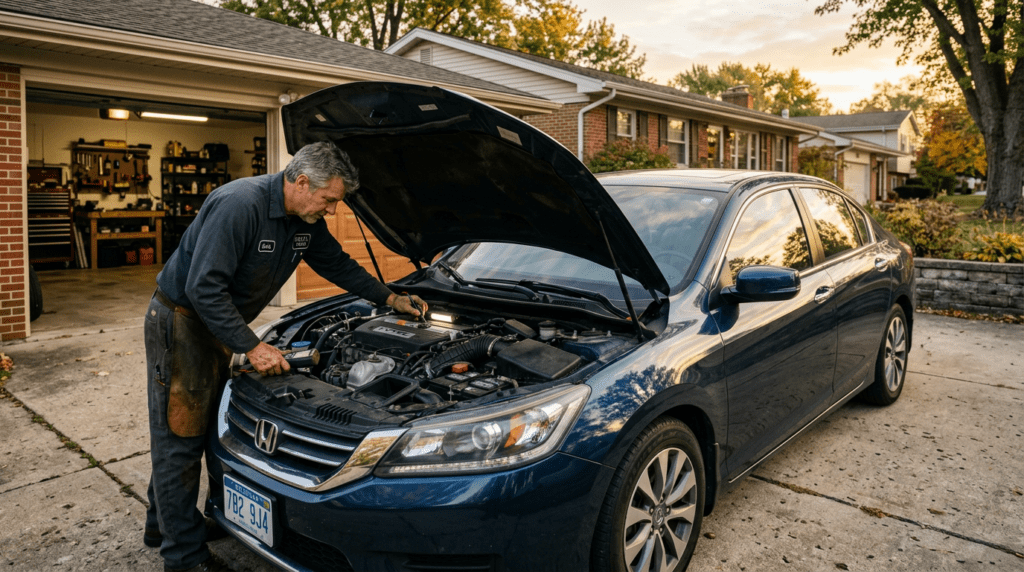
How to Make Your Car Last 10+ Years Maintenance Tips
Think of your car like your body. You can ignore check-ups and exercise for years and probably be fine. Until you’re not.
This car care guide isn’t about obsessive perfection. It’s about strategic consistency—the kind that extends car lifespan without turning you into a garage hermit.
You Can Also Check Out This
Best Electric Cars Under $35K in 2026
The Non-Negotiables (Do These or Suffer Later)
1. Oil Changes: The Easiest Way to Add Years
If you do nothing else on this list, do this.
Modern synthetic oils have extended change intervals to 7,500-10,000 miles for many vehicles, but don’t push it. Oil is cheap. Engines are not.
Best practice:
- Follow manufacturer intervals (check your owner’s manual, not the quick-lube place)
- Use the recommended oil weight and specification
- Don’t fall for “lifetime” oil myths—change it
One of the most important steps in how to make your car last 10+ years is never skipping oil changes.
Real-world impact: Regular oil changes can add 100,000+ miles to engine life. Skip them, and you’re rebuilding at 80,000 miles.
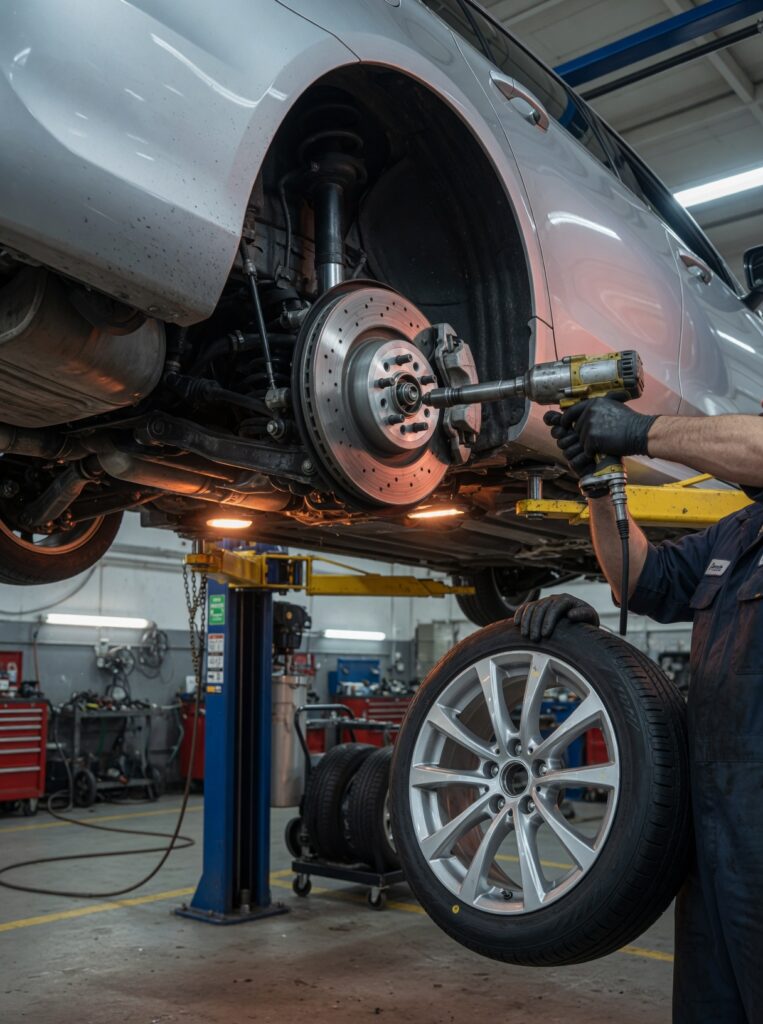
2. Tire Rotation & Alignment: The Forgotten Multiplier
Tires wear unevenly. Front tires carry more weight (especially in front-wheel-drive cars), steer, and brake harder.
Rotate every 5,000-7,500 miles. Get alignment checked annually or after hitting potholes hard enough to question your suspension.
Why it matters:
- Properly rotated tires last 20-30% longer
- Good alignment prevents premature tire wear (new tires = $600-1,200)
- Prevents uneven stress on suspension components
3. Fluid Checks: The Five Liquids Keeping You Moving
Your car runs on more than gas. These fluids need attention:
Essential fluids and intervals:
- Coolant/Antifreeze: Flush every 30,000-50,000 miles (prevents overheating and corrosion)
- Transmission fluid: Check manufacturer specs (30,000-60,000 miles for many, “lifetime” for some—still check it)
- Brake fluid: Every 2-3 years (absorbs moisture, loses effectiveness)
- Power steering fluid: Check level regularly, change if discolored
- Differential fluid: Often overlooked; check manual for intervals
Pro tip: Transmission replacements cost $3,000-$8,000. A $200 fluid change is the bargain of the century.
4. Air Filter Replacement: The $15 Maintenance Task
Your engine needs to breathe. A clogged air filter reduces efficiency, power, and engine longevity.
Check it every oil change. Replace when dirty (usually 15,000-30,000 miles depending on driving conditions).
Bonus: Cabin air filter keeps your AC/heater working efficiently and your lungs happy. Replace annually.

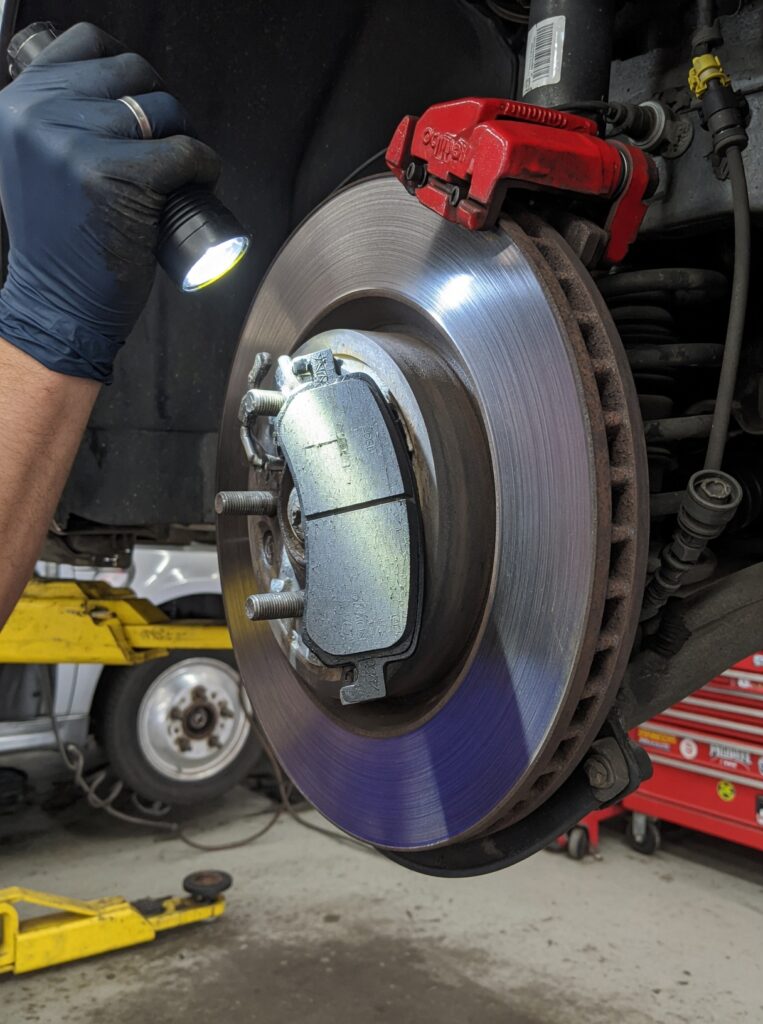
5. Brake Maintenance: Listen Now or Pay Later
Brakes tell you when they need attention—squealing, grinding, pulsing.
Don’t ignore these signals.
Maintenance schedule:
- Brake pads: 25,000-70,000 miles (varies by driving style)
- Rotors: Resurface or replace as needed
- Brake fluid flush: Every 2-3 years
Reality check: Ignoring squeaky brakes leads to rotor damage. Instead of a $200 pad replacement, you’re looking at $600+ for pads and rotors.
Beyond Basics: Tips to Keep Your Car Running Longer
The checklist above handles survival. These car maintenance tips handle thriving.
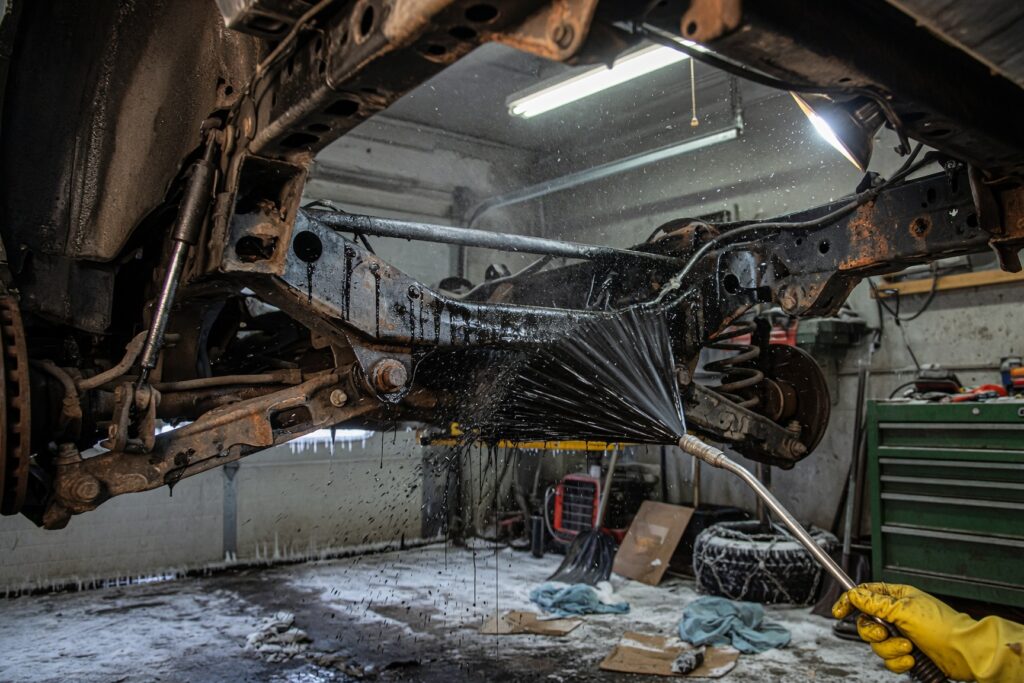
6. Protect Against Rust (Especially in Salt States)
Rust is the silent killer.
If you live anywhere that salts roads in winter (looking at you, Midwest and Northeast), rust prevention isn’t optional.
Anti-rust strategies:
- Wash your car regularly in winter (especially undercarriage)
- Apply rust-proofing treatment or oil spray annually
- Fix paint chips and scratches immediately
- Park in a garage when possible
Rust doesn’t just look bad—it weakens structural integrity and can make your car unsafe or unsellable.
7. Drive Like You Want It to Last
Aggressive driving isn’t just dangerous—it’s expensive.
Longevity-friendly driving habits:
- Warm up the engine (30 seconds idle, then drive gently until operating temp)
- Avoid “jackrabbit” starts and hard braking
- Don’t ride the clutch (manual transmission)
- Use cruise control on highways (reduces transmission stress)
- Let turbochargers cool down before shutting off (turbocharged engines)
The math: Gentle driving can extend brake life by 30-50% and reduce engine wear significantly.
Also Check This
How to Improve mileage
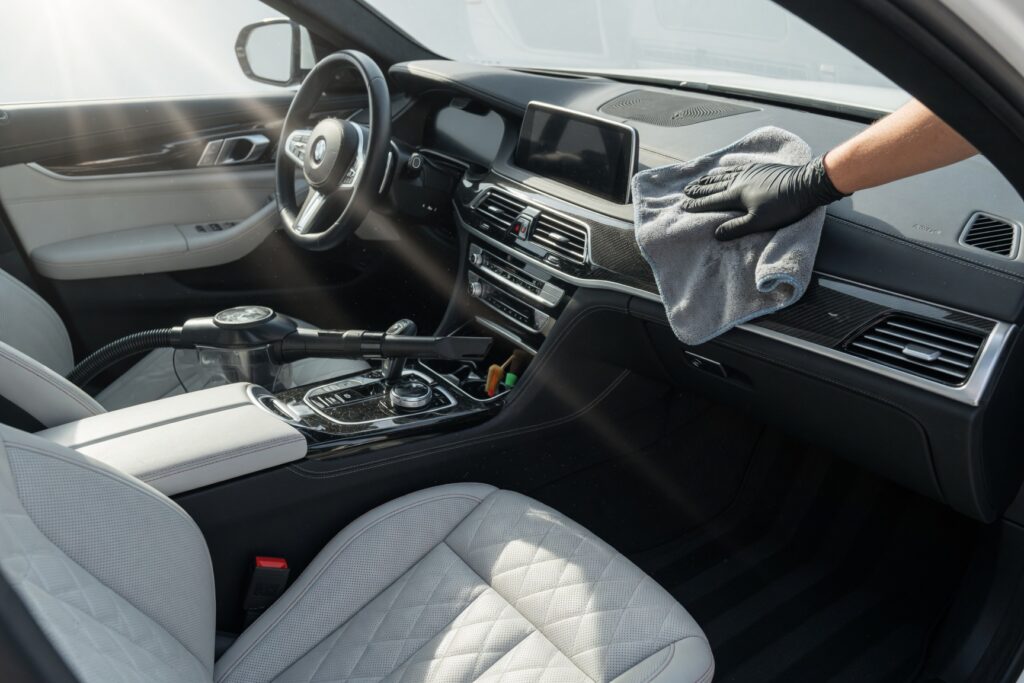
8. Keep It Clean (Inside and Out)
This sounds cosmetic. It’s not.
Why cleanliness extends lifespan:
- Prevents interior degradation (cracked dashboards, torn seats reduce resale value)
- Protects paint and clear coat (UV damage, contaminants)
- Maintains resale value (clean cars sell for 10-20% more)
- Helps you spot problems early (fluids leaks, rust spots)
Recommended schedule:
- Wash exterior every 2 weeks
- Wax 2-3 times per year
- Vacuum and detail interior monthly
- Deep clean twice per year
9. Address Problems Immediately
The “check engine light can wait” mentality is how $200 problems become $2,000 disasters.
Examples of expensive procrastination:
- Ignoring a small coolant leak → overheating → warped cylinder head ($2,500+)
- Skipping a wheel bearing replacement → bearing fails → damages hub, axle ($800+)
- Delaying timing belt service → belt snaps → valve damage ($3,000+)
Pro move: Invest $25 in an OBD2 scanner to read check engine codes yourself. Many issues are minor sensors that you can address before they cascade.
Most drivers don’t realize how to make your car last 10+ years is actually cheaper than replacing a car frequently.
How to make your car last 10+ years is all about following regular maintenance and avoiding neglect.
How to Make Your Car Last 10+ Years Financial Benefits
Let’s do some quick math that’ll make your wallet happy.
Scenario 1: Replace every 5 years
- New car every 5 years at $35,000 = $7,000/year in depreciation alone
- Plus: higher insurance, registration, taxes
- 10-year cost: ~$70,000 in vehicle expenses
Scenario 2: Keep one car 10+ years
- Purchase price: $35,000
- Total maintenance over 10 years: ~$8,000-12,000
- 10-year cost: ~$47,000
Savings: $23,000+ by following a vehicle maintenance checklist and keeping one reliable car.
That’s not even accounting for the fact that a well-maintained 10-year-old car is often more reliable than a poorly maintained 3-year-old car.
How to Make Your Car Last 10+ Years Driving Habits
Here’s the secret that separates 100,000-mile cars from 250,000-mile cars:
Documentation.
Keep records. Every oil change, tire rotation, brake job, fluid flush—document it all.
Why this matters:
- Resale value: Documented maintenance adds 10-20% to resale value
- Warranty claims: Proof of maintenance protects warranty coverage
- Troubleshooting: Service records help diagnose recurring issues
- Peace of mind: You know exactly what’s been done and when
Use an app, spreadsheet, or old-school paper folder. Just keep records.
If you follow these habits consistently, you’ll understand how to make your car last 10+ years without major repair costs.

How to Make Your Car Last 10+ Years Final Thoughts
Real talk: some cars aren’t worth keeping 10+ years.
Warning signs it’s time to move on:
- Repair costs exceed 50% of the car’s value annually
- Major structural rust (frame, subframe)
- Repeated expensive failures of the same system
- Safety recalls that can’t be repaired
- You’ve emotionally checked out (sounds silly, but maintenance suffers when you don’t care)
If you’re spending $3,000/year on an $8,000 car with questionable reliability, the math doesn’t work anymore.
But if you’ve got a solid, well-maintained vehicle? Keep it. The next 100,000 miles are often cheaper than the first
You Can Alsso Read This
15 Hidden Car Features Most Drivers Never
The Bottom Line: Small Effort, Massive Payoff
How to make your car last 10+ years isn’t mysterious.
It’s not about exotic additives, “mechanic’s secrets,” or obsessive garage time.
It’s about:
- Following the maintenance schedule (seriously, read that owner’s manual)
- Addressing problems when they’re small
- Driving like you care about what happens tomorrow
- Protecting against rust and environmental damage
- Keeping records
Do these things consistently, and you’ll join the ranks of owners who drive reliable, paid-off vehicles while everyone else shuffles through dealership financing.
Your future self—and your bank account—will thank you.
Ready to Keep Your Car Running Strong?
The difference between a 5-year car and a 15-year car usually comes down to a few hundred dollars per year in preventive maintenance.
Want more expert automotive advice? Subscribe to our newsletter for weekly maintenance tips, troubleshooting guides, and money-saving car care strategies.
And if you’ve got a high-mileage success story or maintenance tip we missed, share it in the comments. Let’s build a community of owners who prove that 200,000 miles is just getting started.
9. External Authority Link
Primary External Link (Do-Follow):
Anchor: “S&P Global Mobility”
URL: https://www.spglobal.com/mobility/en/research-analysis/vehicles-in-operation.html
Placement: In “The Truth About How Long Cars Actually Last” section
Authority: DA 85+ (major automotive data provider)
Relevance: Official vehicle age statistics
Additional Authority Sources (No-Follow Options):
- Consumer Reports – Car Maintenance Guide
URL: https://www.consumerreports.org/cars/car-maintenance/
Purpose: Maintenance best practices - AAA – Vehicle Maintenance Tips
URL: https://www.aaa.com/autorepair/articles/vehicle-maintenance-tips
Purpose: Trusted automotive authority - Car Care Council
URL: https://www.carcare.org/
Purpose: Non-profit automotive care education