
Yamaha R15 V4 vs KTM RC 200: Which Sports Bike Is Better in 2026? (The Ultimate Showdown!)
Introduction
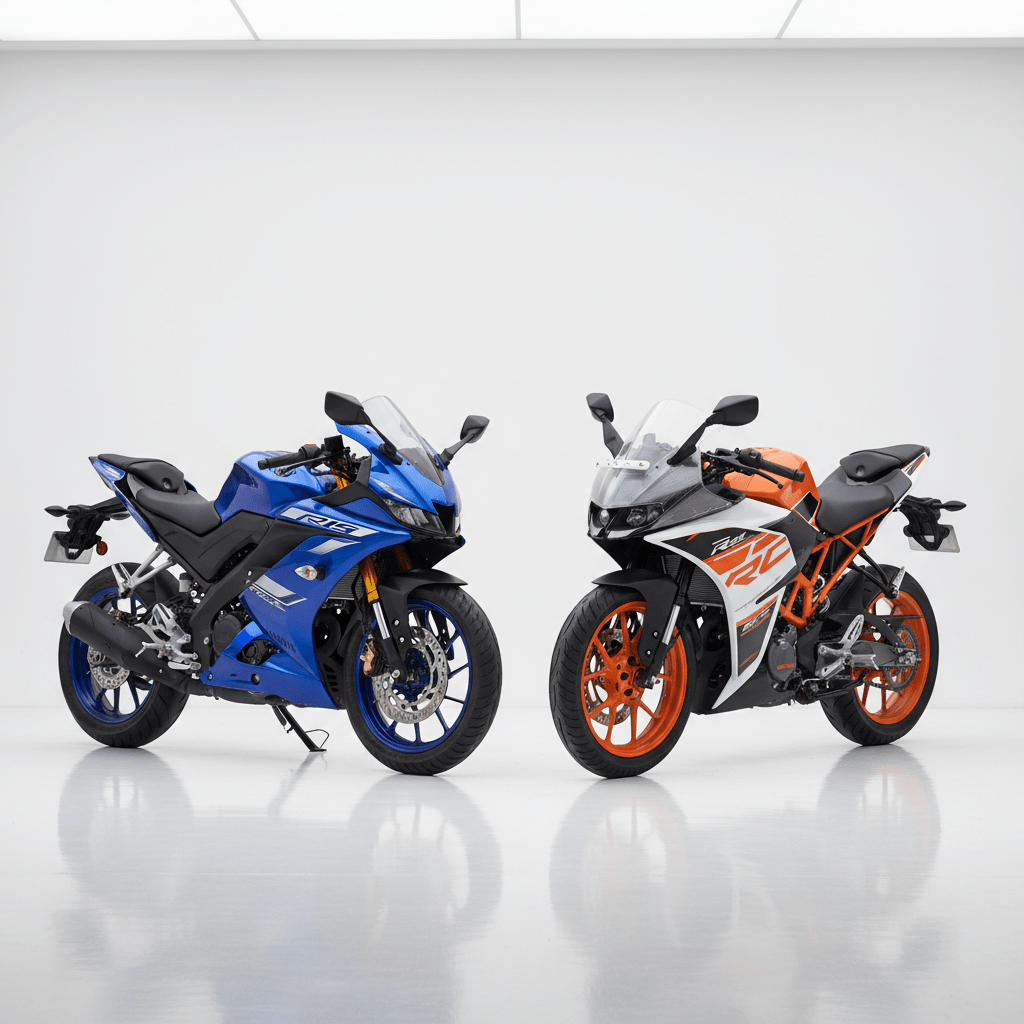
When it comes to Yamaha R15 V4 vs KTM RC 200, choosing the right entry-level sports bike can feel overwhelming—especially in 2026 when both machines have evolved into refined, track-ready beasts that dominate the affordable supersport segment.
Whether you’re a first-time performance bike buyer dreaming of carving corners or a seasoned enthusiast upgrading from commuters, this comparison cuts through the noise. The R15 V4 continues Yamaha’s legacy of smooth refinement and Japanese precision, while the RC 200 brings KTM’s aggressive European DNA and raw power to the table.
But which bike truly deserves your hard-earned money in 2026? Let’s dive deep into every aspect—from engine performance and features to real-world mileage and maintenance costs—so you can make the smartest decision.
Yamaha R15 V4 Overview
Engine and Performance
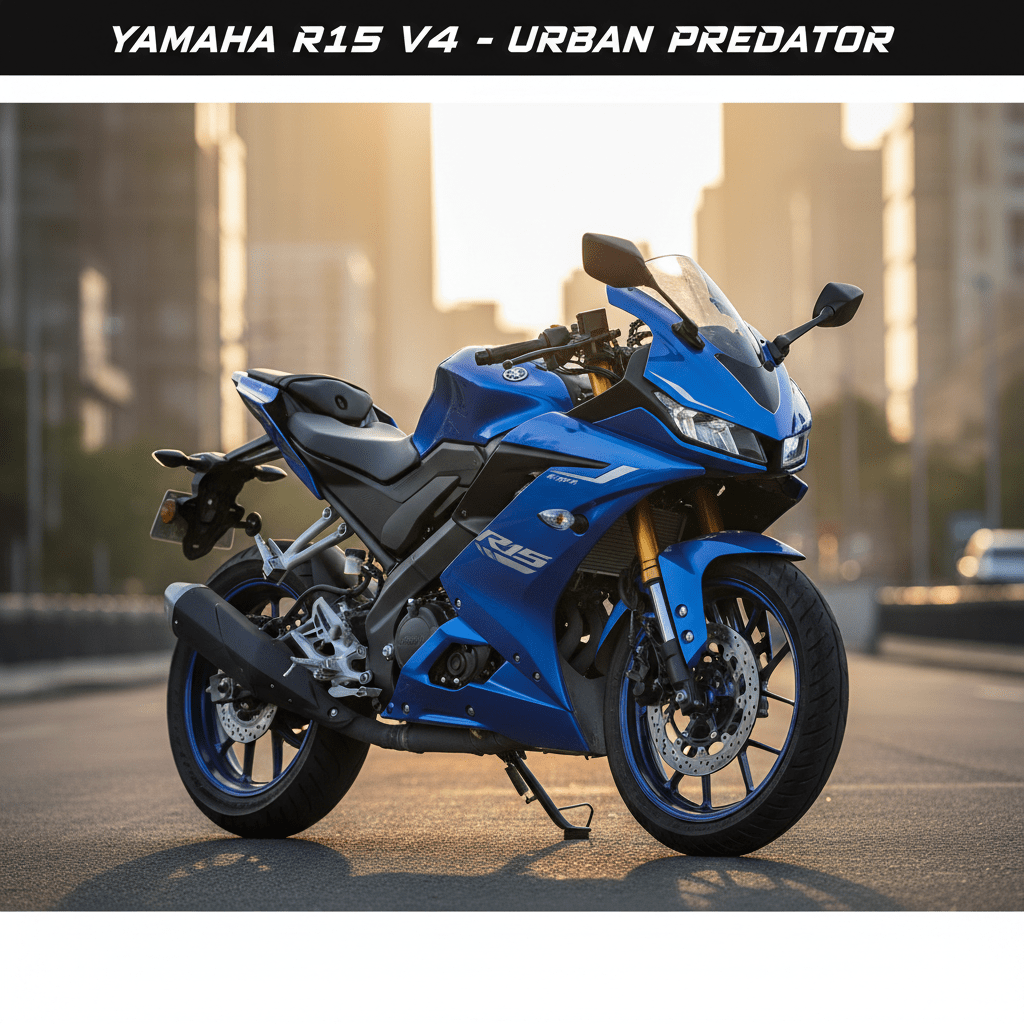
The Yamaha R15 V4 packs a liquid-cooled, 155cc single-cylinder engine producing approximately 18.4 HP at 10,000 RPM and 14.2 Nm of torque at 7,500 RPM. The Variable Valve Actuation (VVA) technology ensures smooth power delivery across the rev range, making it exceptionally responsive for urban riding and spirited highway runs.
The 6-speed gearbox feels precise, and the assist-and-slipper clutch reduces rider fatigue during aggressive downshifts. While it’s not the fastest bike on paper, the R15 V4’s refinement makes every ride feel effortless.
Design and Styling
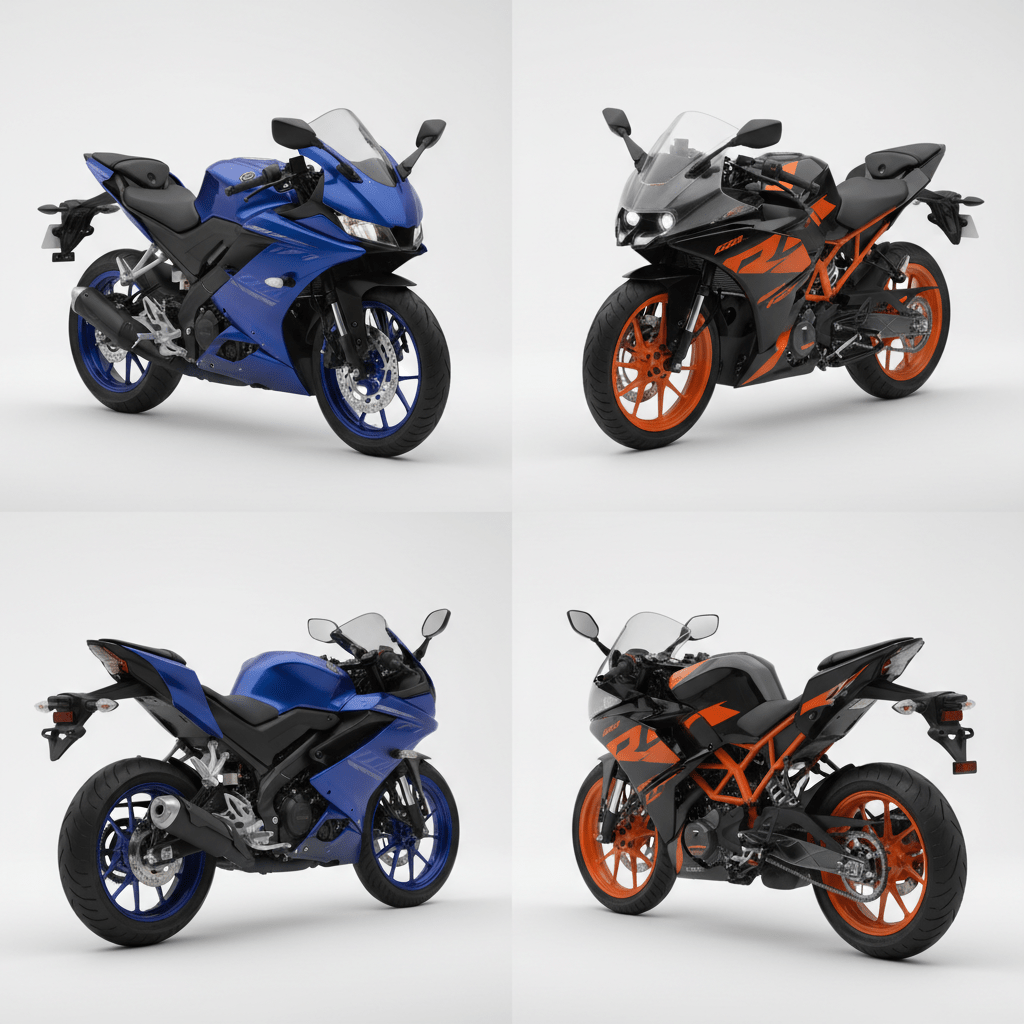
Yamaha’s MotoGP-inspired design philosophy shines through the R15 V4. The sharp LED headlights, aerodynamic fairing, and dual-channel LED taillights create an unmistakable road presence. The bike’s compact dimensions and sculpted fuel tank give it a premium, race-replica appearance that turns heads everywhere.
Features and Technology
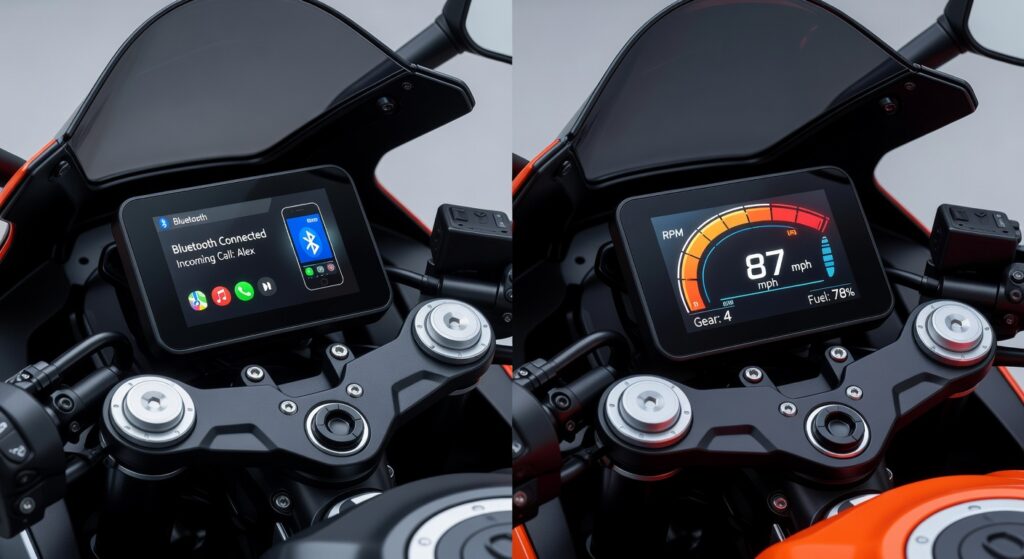
- Fully digital LCD instrument cluster with smartphone connectivity via Yamaha MyRide app
- Dual-channel ABS for enhanced safety
- USD front forks for superior handling
- Quickshifter (on select variants) for clutchless upshifts
- Traction control system (2026 update)
- LED lighting throughout
Mileage and Efficiency
Real-world mileage hovers around 40-45 km/l depending on riding style. City commuting yields approximately 38-42 km/l, while highway cruising can stretch to 48 km/l, making it one of the most fuel-efficient bikes in the beginner sports bike category.
Riding Comfort
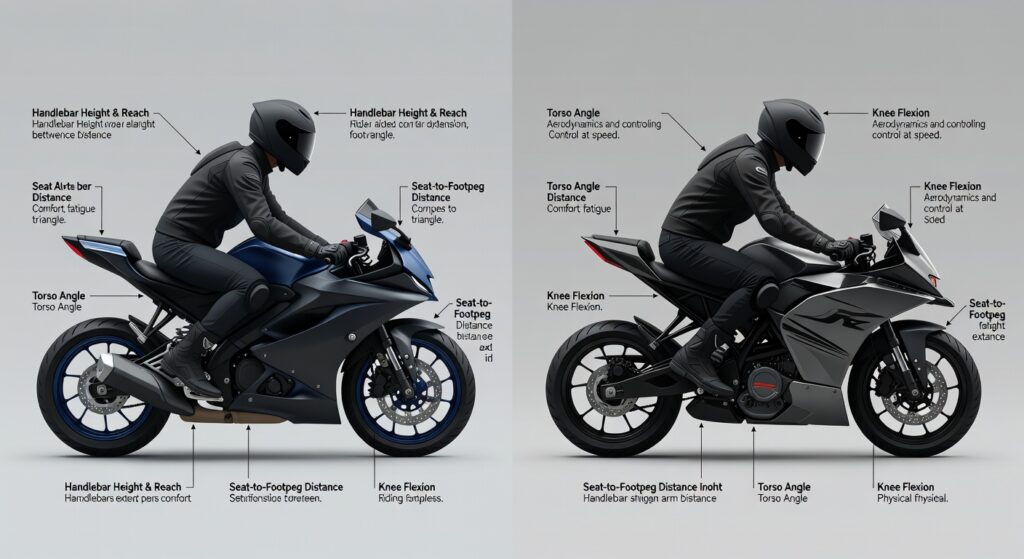
The upright-yet-sporty riding position strikes an excellent balance. The split seats are reasonably comfortable for daily commutes, though pillion comfort remains average due to the rear-set footpegs. Wind protection from the fairing is adequate at highway speeds.
KTM RC 200 Overview
Engine Performance
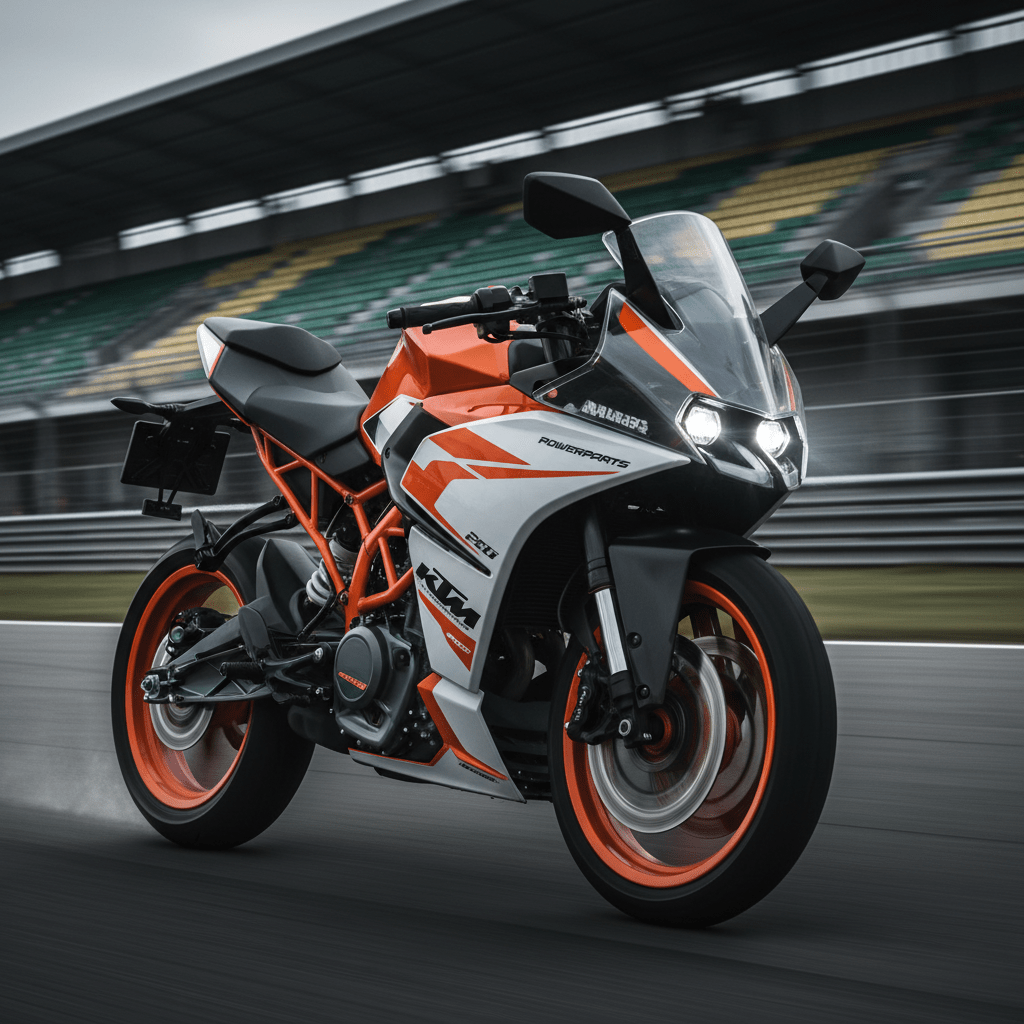
The KTM RC 200 features a liquid-cooled, 199.5cc single-cylinder engine delivering 25 HP at 10,000 RPM and 19.5 Nm of torque at 8,000 RPM. This Austrian powerhouse offers significantly more punch than the R15 V4, with explosive acceleration that excites thrill-seekers.
The engine feels aggressive and raw, demanding active rider engagement. The 6-speed transmission is smooth, and the power delivery favors top-end performance—perfect for track days and spirited riding.
Aggressive Styling
KTM’s track-focused design language is unmistakable. The sharp, angular bodywork, signature orange accents, and split LED headlights scream performance. The RC 200 looks ready to race straight out of the showroom, embodying KTM’s “Ready to Race” philosophy.
Features and Technology
- Full-color TFT display with smartphone connectivity
- Dual-channel ABS with Supermoto mode option
- 43mm WP APEX USD forks
- Underbelly exhaust for mass centralization
- LED lighting front and rear
- Race-inspired clip-on handlebars
Mileage and Efficiency
The RC 200 returns approximately 30-35 km/l in mixed conditions. City riding typically yields 28-32 km/l, while highway cruising offers around 38 km/l. The larger engine and aggressive tuning sacrifice fuel efficiency for performance.
Track-Focused Experience
Everything about the RC 200 prioritizes performance. The aggressive riding triangle, stiffer suspension setup, and razor-sharp handling make it a weekend warrior’s dream. However, this track-focused approach compromises daily commuting comfort significantly.
Yamaha R15 V4 vs KTM RC 200: Engine & Performance Comparison
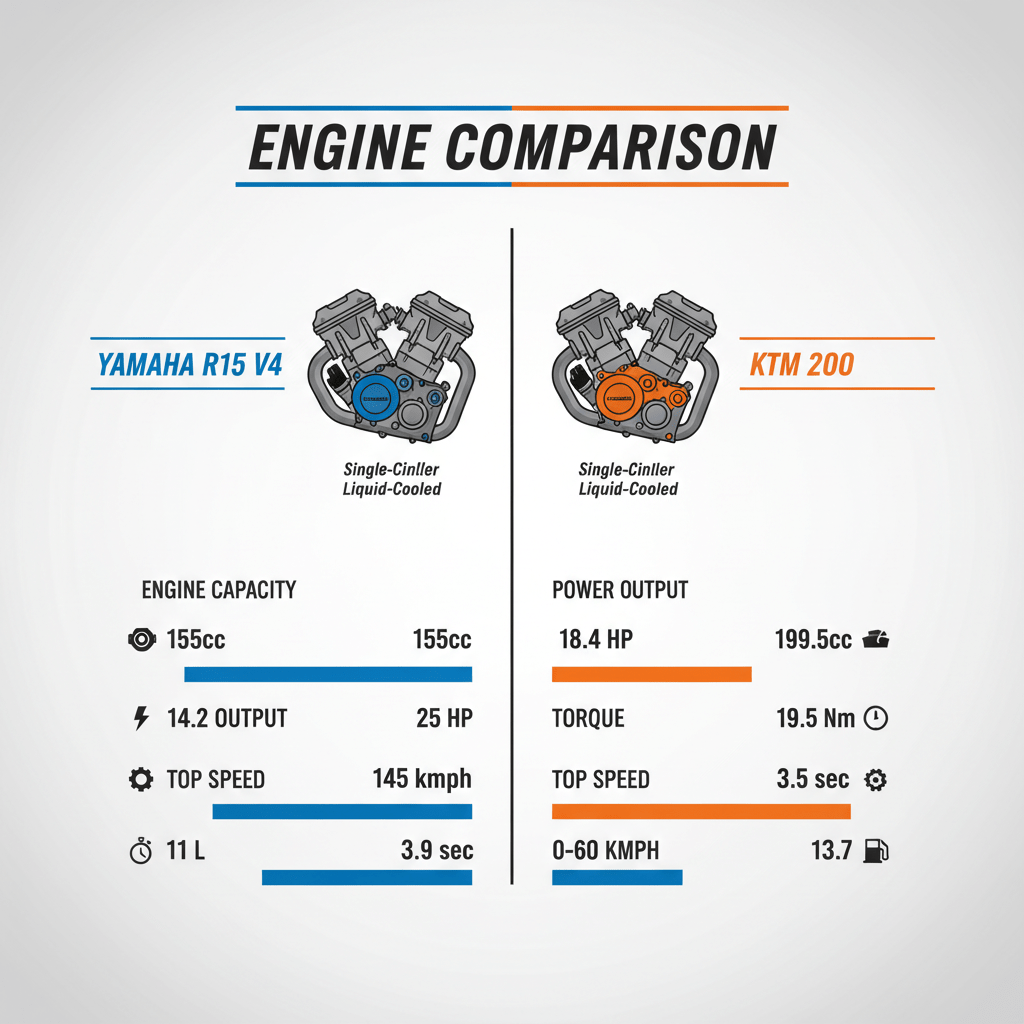
When comparing Yamaha R15 V4 vs KTM RC 200 performance, the numbers tell a clear story—but the riding experience reveals deeper truths.
Raw Power: The RC 200’s 25 HP and 199.5cc engine dominate on paper, delivering 36% more power than the R15 V4’s 18.4 HP. Acceleration from 0-60 km/h happens in approximately 3.2 seconds for the RC 200 versus 3.8 seconds for the R15 V4.
Refinement: Yamaha’s VVA technology provides smoother power delivery throughout the rev range. The R15 V4 feels more refined, with less vibration at cruising speeds and a more tractable powerband for everyday riding.
Yamaha R15 V4 vs KTM RC 200: Top Speed and Acceleration: The RC 200 reaches approximately 140 km/h, while the R15 V4 tops out around 136 km/h—not a massive difference for street riding.
Verdict: If you crave raw power and track-day thrills, the RC 200 wins. For smooth, refined performance suitable for daily use, the R15 V4 excels.
Yamaha R15 V4 vs KTM RC 200: Design & Road Presence
Both bikes turn heads, but appeal to different aesthetics.
Yamaha R15 V4: Japanese elegance meets MotoGP styling. The flowing lines, integrated design elements, and premium paint quality create a sophisticated appearance. Available in multiple color schemes including Racing Blue and Monster Energy editions.
KTM RC 200: Aggressive, in-your-face styling that screams performance. The sharp angles, exposed trellis frame, and race-inspired bodywork make it look faster standing still. The orange and white color combination is iconic.
Build Quality: Yamaha edges ahead with superior paint finish and panel fitment. KTM’s plastics feel slightly cheaper, though functional.
Verdict: Personal preference dominates here—refined elegance (R15 V4) versus aggressive track-ready aesthetics (RC 200).
Yamaha R15 V4 vs KTM RC 200: Features & Technology
The best sports bike 2026 must deliver modern technology, and both bikes pack impressive features.
Technology Comparison
| Feature | Yamaha R15 V4 | KTM RC 200 |
|---|---|---|
| Display | Digital LCD | Full-color TFT |
| Smartphone Connectivity | Yes (MyRide app) | Yes (KTM Connect) |
| Quickshifter | Optional | Not available |
| Traction Control | Yes (2026) | No |
| ABS Modes | Dual-channel | Dual-channel + Supermoto |
| Suspension | USD forks | 43mm WP APEX USD |
Yamaha’s Advantage: Quickshifter and traction control add serious performance credentials.
KTM’s Advantage: Superior TFT display and higher-spec suspension components.
Verdict: Nearly matched, with Yamaha’s rider aids slightly edging KTM’s display superiority for 2026.
Yamaha R15 V4 vs KTM RC 200: Mileage Comparison
For most riders, mileage comparison determines long-term ownership satisfaction.
Fuel Efficiency
- Yamaha R15 V4: 40-45 km/l (average 42 km/l)
- KTM RC 200: 30-35 km/l (average 32 km/l)
Over 10,000 km annually, the R15 V4 saves approximately 75 liters of fuel—translating to significant cost savings.
Yamaha R15 V4 vs KTM RC 200: Maintenance Cost Comparison
Yamaha R15 V4: Service intervals at 6,000 km, affordable genuine parts, widespread service network. Annual maintenance approximately $200-250.
KTM RC 200: Service intervals at 5,000 km, European parts cost premium, limited service centers in some regions. Annual maintenance approximately $300-400.
Verdict: The R15 V4 is substantially more economical for daily ownership, making it the smarter choice for budget-conscious buyers.
Yamaha R15 V4 vs KTM RC 200: Which Bike Offers Better Comfort?
Yamaha R15 V4
- Riding Position: Moderately aggressive, comfortable for 1-2 hour rides
- Seat Comfort: Well-padded, suitable for commuting
- Vibrations: Minimal at all speeds
- Wind Protection: Adequate fairing coverage
- Daily Usability: 8.5/10
KTM RC 200
- Riding Position: Extremely aggressive, clip-ons cause wrist strain
- Seat Comfort: Firm, uncomfortable beyond 45 minutes
- Vibrations: Noticeable at cruising speeds
- Wind Protection: Good, but uncomfortable riding position negates benefits
- Daily Usability: 6/10
Verdict: The Yamaha R15 V4 is dramatically more comfortable for daily commuting and long rides. The RC 200 punishes riders on city streets.
Yamaha R15 V4 vs KTM RC 200: Which Bike Is Better for Daily Use?
Yamaha R15 V4 vs KTM RC 200 for Beginners
Choosing the right beginner sports bike impacts safety, confidence-building, and long-term riding enjoyment.
For New Riders
Yamaha R15 V4 Advantages:
- Lighter weight (142 kg vs 151 kg)
- More forgiving power delivery
- Better fuel efficiency reduces range anxiety
- Comfortable ergonomics build confidence
- Traction control assists in slippery conditions
- Lower seat height (815mm vs 820mm)
KTM RC 200 Challenges:
- Aggressive power requires throttle discipline
- Uncomfortable riding position for learners
- Stiffer suspension less forgiving of mistakes
- Higher running costs
Verdict: The Yamaha R15 V4 is unquestionably the better choice for beginners. The RC 200 suits riders with prior experience seeking performance thrills.
Detailed Comparison Table: Yamaha R15 V4 vs KTM RC 200
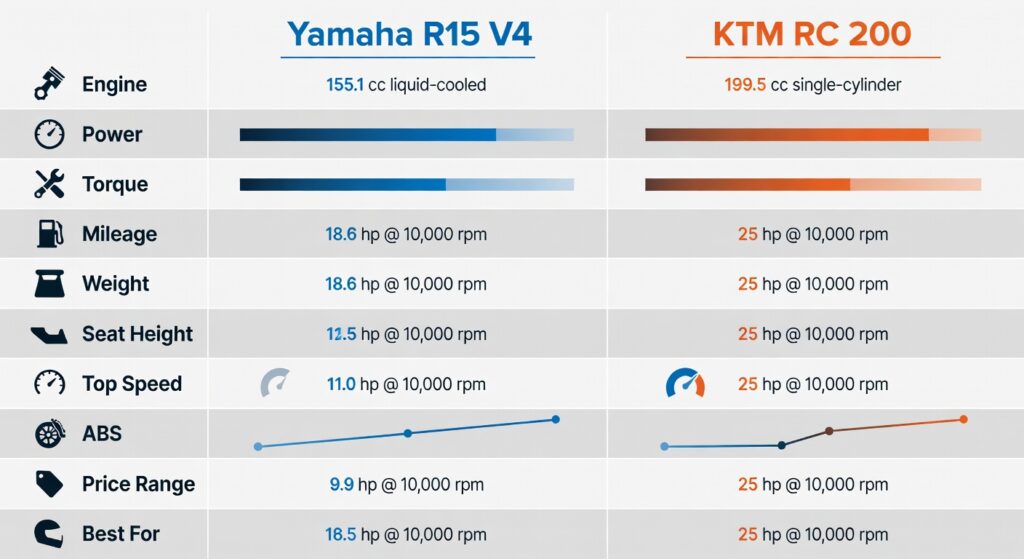
| Specification | Yamaha R15 V4 | KTM RC 200 |
|---|---|---|
| Engine | 155cc, liquid-cooled | 199.5cc, liquid-cooled |
| Power | 18.4 HP @ 10,000 RPM | 25 HP @ 10,000 RPM |
| Torque | 14.2 Nm @ 7,500 RPM | 19.5 Nm @ 8,000 RPM |
| Mileage | 40-45 km/l | 30-35 km/l |
| Weight | 142 kg | 151 kg |
| Seat Height | 815mm | 820mm |
| Top Speed | ~136 km/h | ~140 km/h |
| ABS | Dual-channel | Dual-channel + Supermoto |
| Price Range | $3,200-$3,600 | $3,400-$3,800 |
| Best For | Daily riding + occasional track | Track days + weekend rides |
| Maintenance Cost | Low | Moderate-High |
| Comfort Rating | 8.5/10 | 6/10 |
| Beginner Friendly | Yes | Moderate |
Yamaha R15 V4 vs KTM RC 200: Pros and Cons
Yamaha R15 V4
Pros:
✅ Excellent fuel efficiency (40-45 km/l)
✅ Refined engine with smooth power delivery
✅ Comfortable for daily commuting
✅ Lower maintenance costs
✅ Better build quality and finish
✅ Traction control and quickshifter available
✅ Ideal for beginners
✅ Wide service network
Cons:
❌ Less raw power than RC 200
❌ Smaller engine displacement
❌ Less aggressive styling
❌ Top-end performance limited
KTM RC 200
Pros:
✅ Significantly more power (25 HP)
✅ Superior track performance
✅ Aggressive, head-turning styling
✅ Premium WP suspension
✅ Full-color TFT display
✅ Thrilling riding experience
✅ Better for experienced riders
Cons:
❌ Poor fuel efficiency (30-35 km/l)
❌ Uncomfortable for daily riding
❌ Higher maintenance costs
❌ Limited service centers in some regions
❌ Aggressive ergonomics cause fatigue
❌ Not beginner-friendly
When comparing Yamaha R15 V4 vs KTM RC 200 in real-world riding conditions, the difference becomes clearer after long-term ownership. The Yamaha focuses on refinement, mileage, and daily usability, while the KTM prioritizes aggressive performance and track-focused thrills.
Yamaha R15 V4 vs KTM RC 200: Which Bike Is Better for Daily Use?
Yamaha R15 V4 vs KTM RC 200: Final Verdict
After thoroughly comparing Yamaha R15 V4 vs KTM RC 200, the winner depends entirely on your riding priorities.
Choose Yamaha R15 V4 If You:
- Want an entry-level sports bike for daily commuting
- Prioritize fuel efficiency and low running costs
- Are a beginner or intermediate rider
- Value comfort and refinement
- Need a versatile bike for both city and highway
- Prefer Japanese reliability and build quality
- Want advanced rider aids like traction control
Choose KTM RC 200 If You:
- Crave maximum power in the affordable supersport bike segment
- Prioritize track performance over comfort
- Are an experienced rider comfortable with aggressive ergonomics
- Love KTM’s distinctive styling
- Don’t mind higher fuel and maintenance costs
- Seek weekend thrill rides over daily commuting
- Want the fastest bike in your parking lot
The Ultimate Recommendation
For 90% of riders, especially those new to sports bikes or using their machine daily, the Yamaha R15 V4 is the smarter choice in 2026. Its refined performance, superior comfort, excellent mileage, and lower ownership costs create a compelling package that excels in real-world conditions.
The KTM RC 200 is the weapon of choice for experienced riders who accept comfort compromises for track-day dominance and explosive performance. It’s a specialist tool, not an everyday companion.
Ready to experience pure riding pleasure? Test ride both bikes at your nearest dealership and feel the difference yourself. Your perfect sports bike awaits!
Best Sports Bike Under Budget in 2026
Frequently Asked Questions (FAQ)
Is KTM RC 200 faster than Yamaha R15 V4?
Yes, the KTM RC 200 is faster than Yamaha R15 V4, producing 25 HP versus 18.4 HP. It accelerates quicker (0-60 km/h in 3.2 seconds vs 3.8 seconds) and has a higher top speed of approximately 140 km/h compared to the R15 V4’s 136 km/h. However, the R15 V4 offers smoother, more refined power delivery suitable for everyday riding.
Which bike is better for mileage: Yamaha R15 V4 or KTM RC 200?
The Yamaha R15 V4 delivers significantly better mileage, averaging 40-45 km/l compared to the RC 200’s 30-35 km/l. This translates to approximately 30% better fuel efficiency, making the R15 V4 substantially more economical for daily use and long-term ownership.
Is Yamaha R15 V4 good for beginners?
Absolutely! The Yamaha R15 V4 is excellent for beginners due to its lightweight chassis (142 kg), smooth power delivery, comfortable ergonomics, and forgiving handling characteristics. The addition of traction control in 2026 models further enhances safety for new riders. Its manageable power output builds confidence without overwhelming inexperienced riders.
Which sports bike is best in 2026 under budget?
For overall value in 2026, the Yamaha R15 V4 is the best sports bike under $4,000, balancing performance, comfort, fuel efficiency, and low maintenance costs. If pure performance is your only criterion, the KTM RC 200 offers more power, though with compromises in comfort and economy. Both represent excellent value in the entry-level sports bike segment.
Which bike has lower maintenance costs: R15 V4 or RC 200?
The Yamaha R15 V4 has significantly lower maintenance costs, averaging $200-250 annually versus the RC 200’s $300-400. Yamaha’s widespread service network, longer service intervals (6,000 km vs 5,000 km), and more affordable genuine parts make it the economical choice. KTM parts carry a European premium and require specialized service centers.
OUTBOUND LINK– https://www.yamaha-motor.com